How Certified Reman Resets a Truck’s Service Life Clock?
Intro
Fleet managers often judge a truck’s remaining service life simply by mileage or operating hours. This is the core limitation of treating used heavy assets as “worn out once the clock hits a certain threshold.” Certified remanufacturing under REMAN ROAD does not roll back an odometer. Instead, it objectively resets the asset’s functional service life clock by eliminating hidden fatigue damage, replacing consumed wear parts, and returning the truck to its original engineered performance envelope. This is the critical distinction separating standard reman from cosmetic refurbishment, partial overhaul or basic repair.
The service-life clock is not mileage — it is accumulated fatigue
Every heavy truck’s usable life is governed by cyclic stress, corrosion, heat loading and wear, not just kilometres driven.
- Mileage only tells you how far the truck travelled; it cannot show invisible fatigue cracks inside frame rails, crankshafts, axle housings and load-bearing brackets.
- A lightly loaded truck may have high mileage but plenty of remaining fatigue capacity. A heavily overloaded unit with low mileage can already be near its structural failure threshold.
- Without systematic inspection, fleets treat all used cores the same way: aging assets on a one-way path toward retirement. Certified remanufacturing breaks this linear life model.
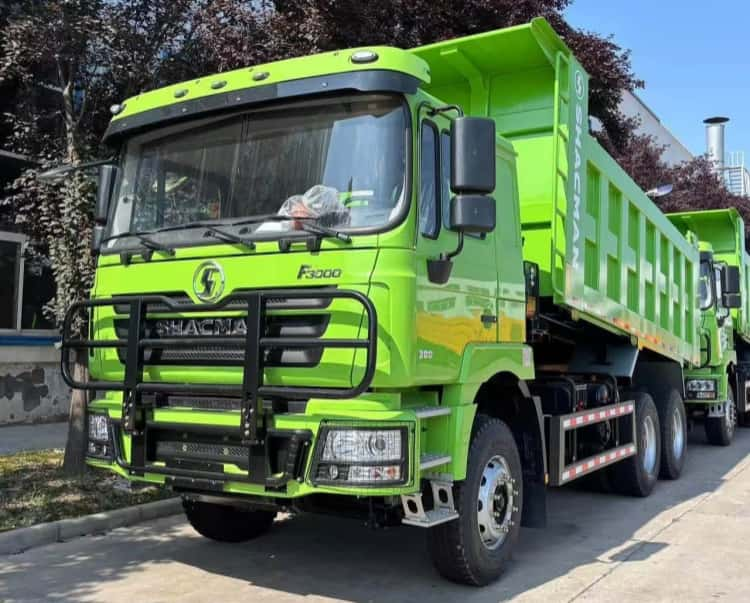
Full disassembly stops hidden degradation in its tracks
A certified remanufacturing reset begins by taking the entire vehicle down to individual components.
- Partial rebuilds only touch engines or transmissions while leaving chassis structure untouched. Hidden damage continues accumulating, and the service-life clock never truly restarts.
- During full teardown, technicians separate durable structural cores from consumable wear parts. Each component is isolated for independent assessment.
- This step halts compounded damage caused by worn bearings, leaking seals and distorted mating surfaces that accelerate secondary failure across connected assemblies.
Mandatory NDT testing removes latent failure that shortens asset life
Visual checks and dimensional measurements miss subsurface cracking — the biggest silent driver of premature retirement.
- REMAN ROAD requires ultrasonic, magnetic particle or radiographic inspection on all fatigue-critical structural parts.
- Components with irreversible crack propagation are marked for mandatory scrap, so they never re-enter service.
- Only cores with remaining safe fatigue capacity move forward for restoration. This filters out assets whose life clock is already beyond recovery.
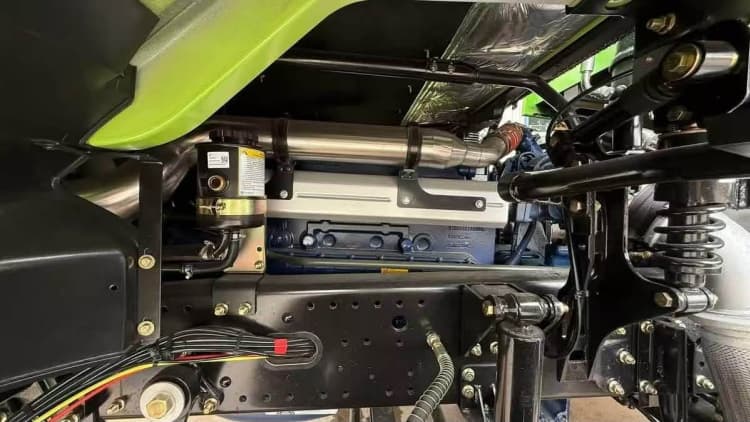
Component grading assigns a fresh lifecycle status to every part
Every disassembled part falls into one of three controlled categories: reusable, repairable or scrap.
- Reusable: Parts with remaining fatigue margin, no corrosion or cracking, and dimensions within OEM tolerance. They carry forward their verified residual life into the new cycle.
- Repairable: Parts that can be machined, straightened or welded back within engineering limits, with post-repair validation to confirm restored strength.
- Mandatory scrap: Parts that cannot recover sufficient safety margin, even after repair. These are discarded to avoid early failure. This grading system creates a documented, auditable baseline for the asset’s new life cycle.
Wear-item replacement eliminates predictable failure triggers
Even if the structure is sound, consumable components determine when breakdowns will occur.
- Seals, gaskets, bearings, hoses, filters and brake linings are replaced new as standard in REMAN ROAD certified remanufacturing.
- These high-wear items are the primary source of roadside failures in ordinary used and overhauled trucks.
- Swapping them out removes known near-term failure points, so the asset starts its next operating cycle with a fresh wear profile.
Bench and system testing validates the new baseline performance
Resetting the service life clock is meaningless if assemblies fail under load.
- Engines, hydraulics and brake assemblies run on dynamometer and pressure test benches before final assembly.
- Full-vehicle load testing confirms all systems interact correctly, matching OEM design performance thresholds.
- Once the unit passes acceptance criteria, the fleet can model maintenance schedules, downtime risk and useful life from this verified starting point. This is the moment the new service cycle officially begins.
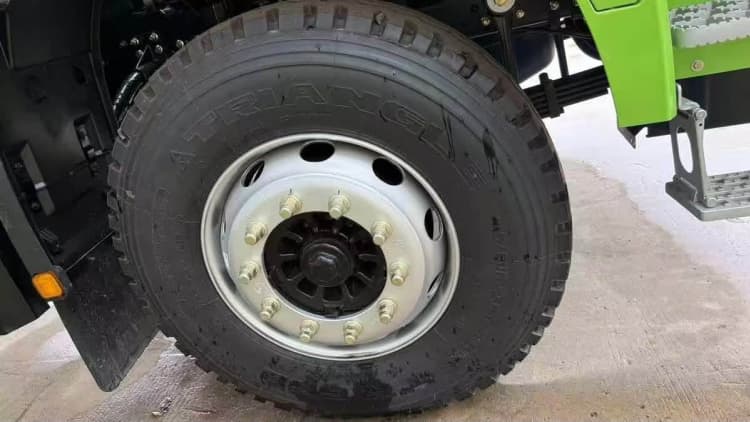
Traceability locks in the new lifecycle record
A reset cannot exist without documentation tied to the vehicle VIN.
- The complete dossier includes core intake assessment, NDT reports, grading logs, bench test certificates and final acceptance records.
- This trail proves the asset’s new life baseline to fleet finance teams, maintenance planners, insurers and future buyers.
- Unlike undocumented rebuilt trucks, a certified reman truck’s service life is not guessed — it is backed by engineering evidence.
What this reset does NOT mean?
This is a common misunderstanding to avoid:
- Certified reman truck does not make an old truck identical to a brand-new OEM unit. The structural core retains its material history.
- It does not erase emission platform limits or upgrade the truck to the latest regulatory tier.
- It does not guarantee infinite service cycles. Each reset is one controlled lifecycle extension, bounded by the core’s remaining fatigue capacity.
- The “clock reset” refers to predictable, safe remaining usable life, not a factory-new asset birth date.
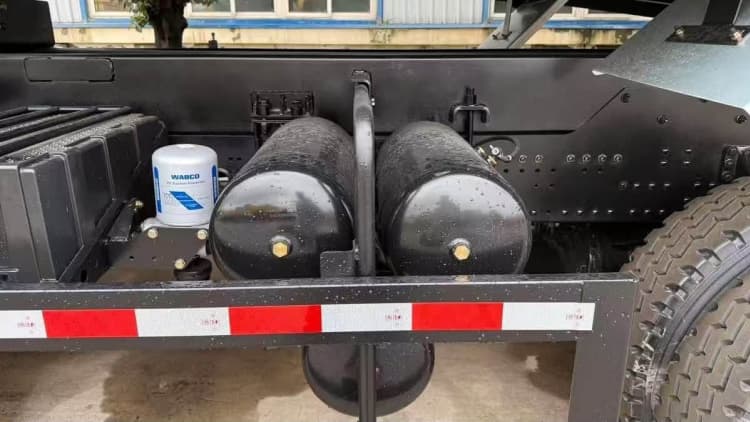
Closing
Certified reman truck resets a heavy truck’s service life clock through engineering validation, not cosmetic fixes or odometer adjustments. It stops linear aging by stripping the asset down, removing latent structural damage, replacing worn consumables and validating performance back to OEM specifications.
For fleet operators, this changes asset strategy fundamentally: instead of writing off a truck once it hits a mileage threshold, you unlock a second, third or controlled subsequent revenue-generating cycle with known risk. That is how REMAN ROAD turns end-of-service cores back into predictable, budgetable fleet assets.