What Makes a Heavy Truck Platform Reman Friendly?
Introduce
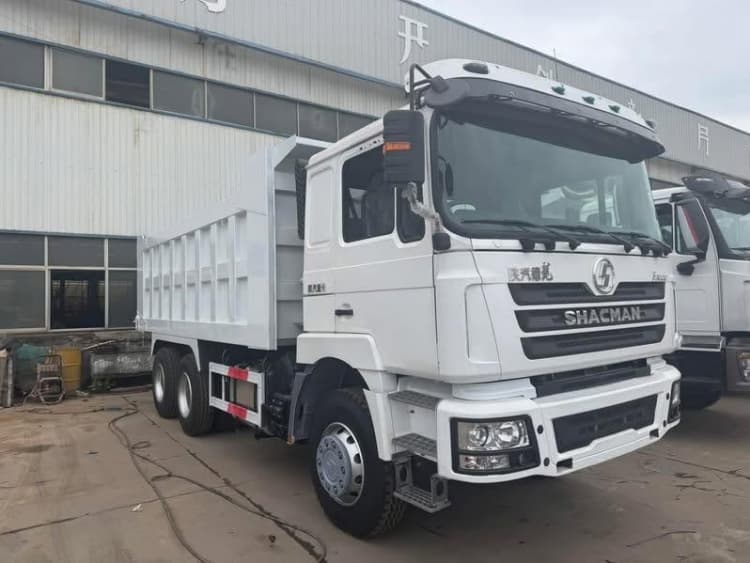
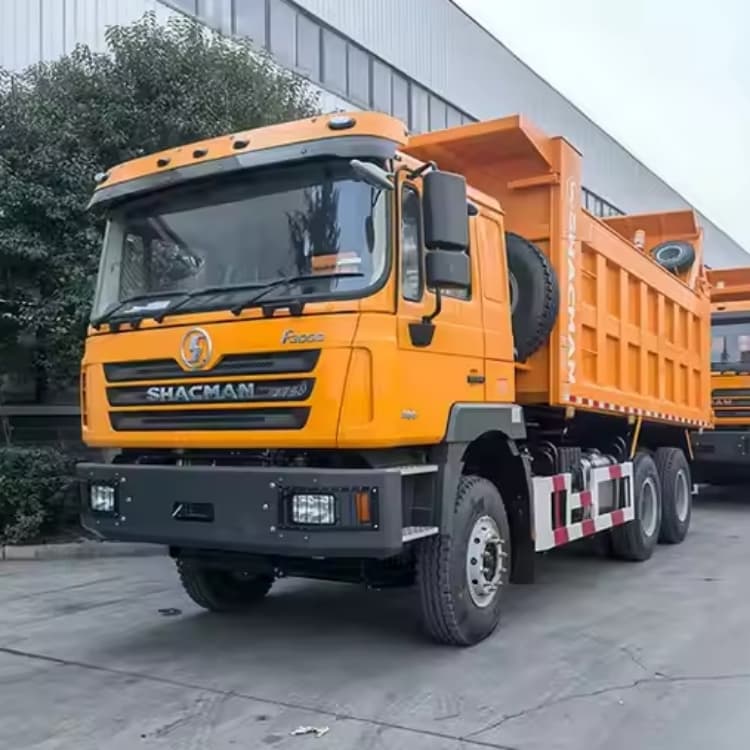
Fleet buyers often assume any used heavy truck can be restored into a qualified reman truck. In reality, some platforms adapt smoothly to systematic reman processing, while others create persistent engineering bottlenecks and cost overruns. A reman friendly truck platform is one that was designed with disassembly, inspection, component renewal and system recalibration in mind. It supports repeatable, auditable reman workflows, helps hold quality steady, and keeps the total cost of the lifecycle reset commercially viable.
Stable, documented OEM design architecture
The first marker of a reman friendly truck platform is a mature, fixed design baseline. Frequent, undocumented running changes to frames, mounting points, powertrain interfaces and wiring layouts create chaos for reman teams.
When OEMs release consistent engineering drawings, tolerance tables, torque specifications and system schematics for the whole platform, engineers can reliably compare a worn unit against its original design intent. Every critical dimension, fatigue limit and assembly sequence is traceable. This allows NDT inspection, part matching and system calibration to follow fixed rules, rather than custom guesswork for every single truck.
By contrast, platforms with frequent ad-hoc component revisions, regional variant mismatches or discontinued engineering documentation are hard to standardise. Even if replacement parts are found, the reman team cannot confirm whether the new component aligns with the original system design envelope.
Modular subsystem layout
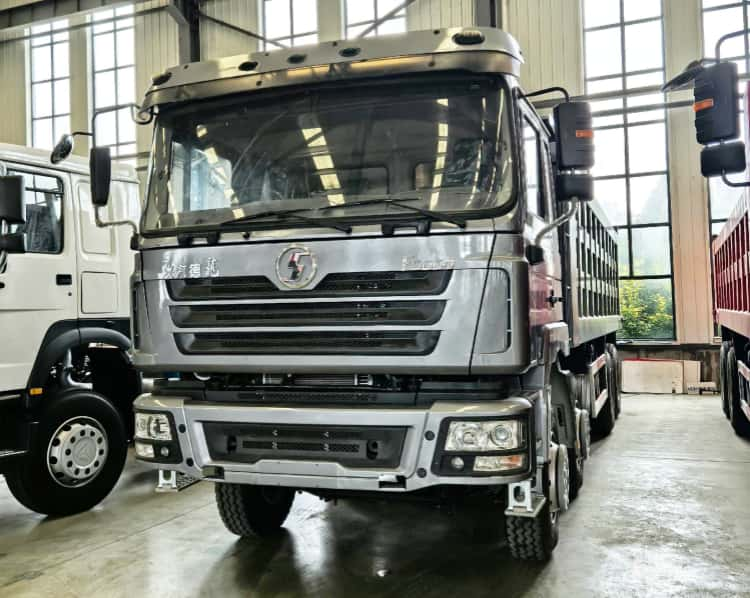
Modular construction is a major advantage for qualified reman truck. When powertrain, axle, suspension, cooling and hydraulic systems are separated into clearly defined modules, technicians can disassemble, inspect and regenerate each subsystem without damaging adjacent assemblies.
Modularity also supports targeted renewal. Instead of cutting or disassembling interconnected hard-linked structures, the team can remove a high-fatigue module for separate testing and rebuild, while leaving compatible, low-risk modules for dimensional and fatigue assessment. This reduces disassembly damage, cuts labour hours and lowers the risk of introducing secondary faults during reassembly.
Platforms built with tightly integrated, non-separable structures are reman-unfriendly. Opening one section often disturbs seals, wiring harnesses and fastener joints that were never intended for repeated disassembly. Each rebuild becomes a custom project instead of a repeatable industrial process.
Accessible inspection and test points
Qualified reman truck depends heavily on full inspection coverage. A reman friendly platform provides clear access to fatigue-critical zones: frame rail sections, weld joints, axle housings, crankshafts, suspension brackets and high-load fasteners.
Good access means NDT probes can reach key areas without extensive cutting or dismantling. Calibration ports, sensor interfaces and test connectors are standardised, so post-rebuild system validation can run with standard test tools. If critical stress points are buried behind welded panels, composite casings or sealed integrated housings, fatigue screening becomes incomplete. Hidden blind spots force inspectors to rely on partial data, which weakens the acceptance decision.
Long-term component availability and interchangeability
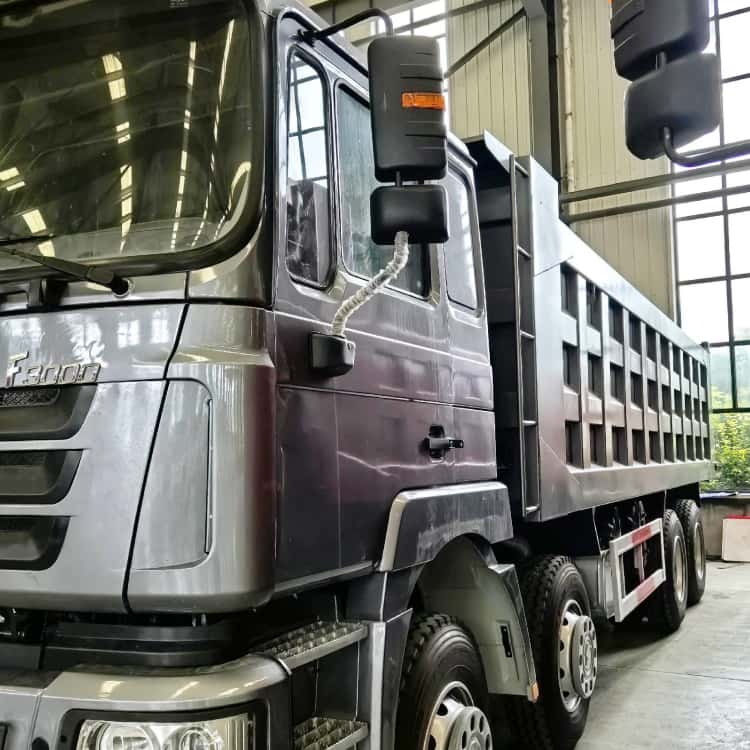
Sustainable qualified reman truck relies on a predictable supply chain for genuine or qualified equivalent replacement parts. Reman friendly truck platforms enjoy broad, stable parts availability across wear items, sealing kits, bearings, fasteners and structural sub-components.
Consistent interchangeability across production batches is equally important. When parts from different production years can cross-fit within the same platform, the reman standard stays simple. REMAN ROAD can lock in mandatory renewal lists and part specifications without custom sourcing for every individual vehicle.
Obscure, low-volume platforms with short production runs suffer from limited stock, high aftermarket pricing and part obsolescence. Even if the base chassis passes fatigue screening, the reman project becomes uneconomical. Long lead times and rare components break workflow consistency and hurt the ROI for fleet buyers.
Serviceable material and predictable fatigue behaviour
Not all chassis materials and joining methods behave the same way under repeated load cycles. Reman friendly truck platforms use materials and weld specifications with well-understood fatigue curves. Engineers can model accumulated stress, interpret NDT results and set clear pass/fail thresholds.
Platforms that use exotic mixed-material joints, inconsistent welding processes or heat treatments that degrade unpredictably are difficult to evaluate. It becomes harder to separate normal service wear from irreversible material damage. That uncertainty makes it risky to issue a certified lifecycle reset and a standard warranty.
Built-in calibration and diagnostic transparency
Modern heavy trucks depend on electronic control systems. A reman friendly truck platform has open, standardised diagnostic protocols. After mechanical renewal, technicians can reset parameters, run system synchronisation, calibrate sensors and validate communication between ECUs.
If the ECU architecture is locked, proprietary and undocumented, full-system validation becomes impossible. The truck may start and drive, but mismatched calibration can create hidden efficiency loss, abnormal thermal loading and accelerated wear. This turns an otherwise solid rebuild into a unit with unseen reliability risks.
Commercial alignment for fleet second-life use
Beyond pure engineering, reman friendly truck platforms have proven adoption in second-life fleet operations. Operators already understand their maintenance rhythms, spare parts networks and repair skill requirements.
For fleet buyers, this means the qualified reman truck fits smoothly into existing workshop reman processing workflows. Training, tooling and service routines do not need to be rebuilt from scratch. The platform also holds more predictable residual value, because the market understands its lifecycle limits and repair costs.
Closing thought
A reman friendly truck platform is not just easy to fix. It is designed to be inspected, measured, renewed and validated repeatedly within its original design boundaries. Stable documentation, modular layout, inspection access, reliable parts supply, predictable fatigue characteristics and open diagnostic capability together decide whether a platform can support standardised REMAN ROAD certification at scale.
When a platform lacks these features, even skilled technicians can only deliver patchwork rebuilds. The asset may run, but it cannot support the auditable, predictable second lifecycle that certified qualified reman truck promises.