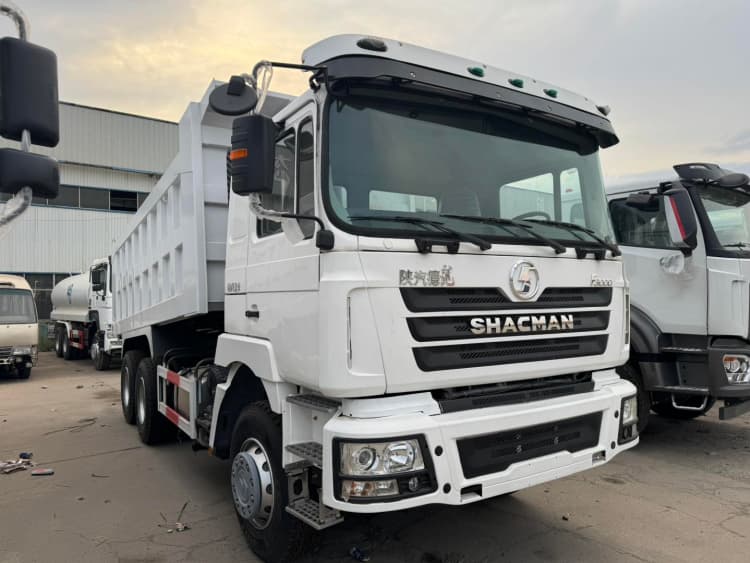
The Three Pillars of Heavy Duty Remanufacturing Standards
Intro
Many fleets struggle to compare reman offerings because suppliers use inconsistent definitions. Some label simple repainting and part swapping as remanufacturing, creating hidden safety and financial risks. REMAN ROAD’s standard framework is built on three non-negotiable foundational pillars. No process can claim to be certified heavy duty remanufacturing if any pillar is weakened or skipped. These pillars work together to restore a heavy truck to predictable, new-equivalent performance and draw a clear line between standardized heavy duty remanufacturing, overhaul and cosmetic refurbishment.
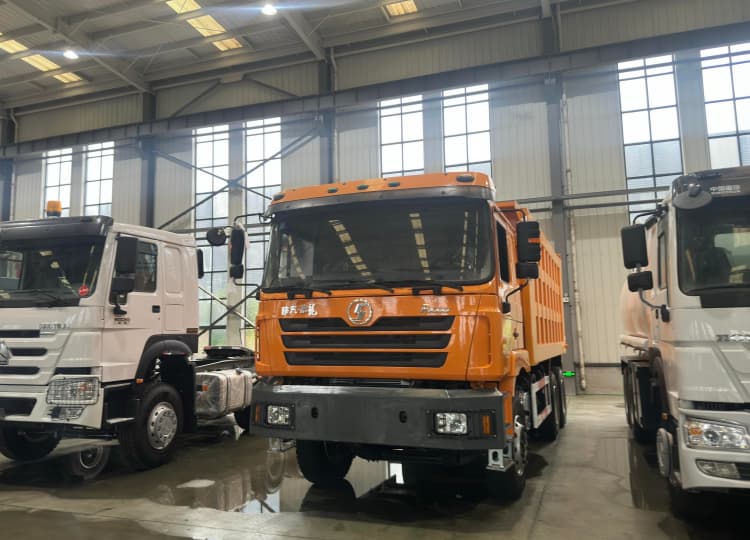
Pillar One: Full Engineering Validation
Engineering validation is the technical backbone of reliable heavy duty remanufacturing. It means the asset and its critical components are judged by OEM design intent, not visual appearance or mileage.
- This pillar starts with core eligibility screening and complete disassembly. Partial teardown is not accepted, as hidden structural fatigue cannot be inspected while assemblies remain intact.
- Mandatory NDT inspection covers all load-bearing frames, axles, crankshafts and high-stress brackets to detect subsurface cracks, fatigue and irreversible corrosion that visual inspection misses.
- Dimensional checks, machining tolerances and post-repair validation confirm every restored part falls within OEM engineering limits.
- Bench testing on dynamometers, hydraulic circuits and brake systems verifies functional performance under simulated working loads, rather than only idle checks. The purpose is simple: prove the asset can safely deliver its designed load capacity before it returns to service. Without this pillar, heavy duty remanufacturing becomes guesswork.
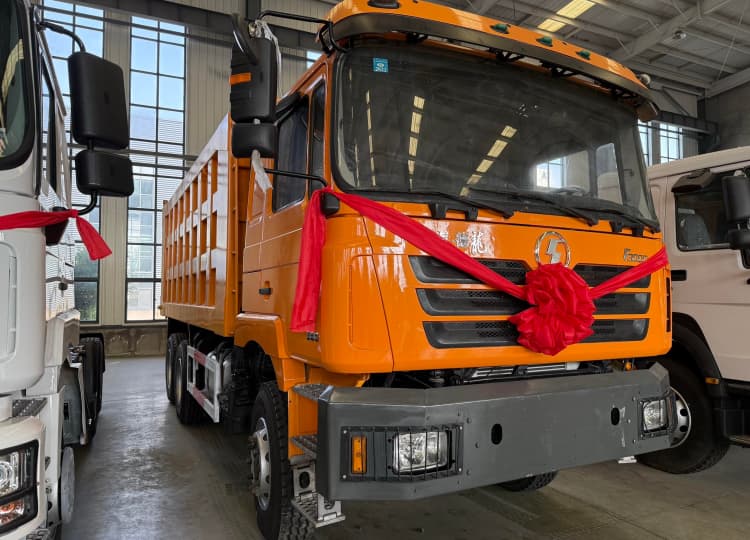
Pillar Two: Controlled Component Governance
Even a well-inspected frame will fail early if parts are sorted, reused or replaced without consistent rules. This pillar sets clear rules for every individual component after disassembly.
- Every part receives a formal grade: reusable, repairable or mandatory scrap. No subjective “judgement calls” from technicians decide whether a high-risk component stays in the build.
- Wear parts such as bearings, seals, gaskets and flexible hoses are systematically replaced new, regardless of apparent condition. These items have finite service life and are the top cause of unplanned downtime.
- Repairable components have fixed repair boundaries: approved welding procedures, straightening limits and post-repair testing rules. Any part that exceeds repair thresholds is scrapped immediately.
- Unapproved aftermarket structural parts are barred from certified builds, to avoid mismatched material strength and compromised design margins. Component governance removes randomness from the build. It ensures every truck built under the standard follows identical part rules, even when different technicians or workshops complete the work.
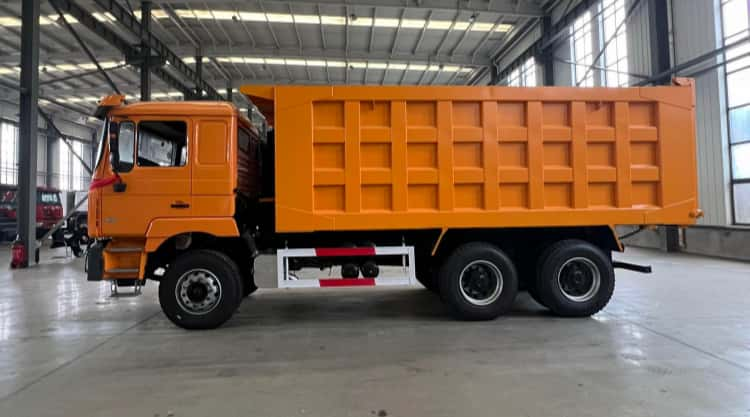
Pillar Three: Auditable End-to-End Traceability
The first two pillars mean little if there is no proof they were actually followed. Traceability anchors quality to the vehicle VIN for its entire reman lifecycle.
- Every record is linked to the unique VIN: initial core assessment forms, NDT scan reports, component grading logs, repair records, bench test certificates and final acceptance sign-off.
- Records must be retrievable by fleet managers, auditors, insurers and future buyers. Redacted, missing or generic documents invalidate certification.
- Traceability also covers supply chain control: the origin of replacement parts, material certificates and technician qualification records.
- If a failure occurs in service, the full audit trail enables root-cause analysis, rather than endless debate over what was or was not done during the rebuild. This pillar turns quality from a supplier’s verbal promise into verifiable evidence. It is also critical for cross-border customs classification, warranty enforcement and ESG carbon reporting.

How the three pillars interact?
The pillars are sequential and interdependent, not optional add-ons:
- Without engineering validation, component grading is based on guesswork.
- Without controlled component governance, even validated frames get paired with unfit parts.
- Without traceability, buyers cannot confirm validation and grading were properly executed.
Cutting corners on any pillar creates the fake reman products fleets often encounter: trucks that look new, but skip NDT, reuse expired wear parts and come with no inspection paperwork. These units carry the same risk as cheap refurbishment.
Closing
All REMAN ROAD certified heavy duty remanufacturing builds rest on engineering validation, controlled component governance and full traceability. These three pillars define the standard, rather than marketing language or price tags.
For fleet procurement teams, they also provide a simple evaluation framework: when vetting suppliers, ask whether they can demonstrate compliance against all three pillars. Only when all three are fully satisfied can a reman truck deliver consistent safety, predictable uptime and reliable long-term TCO benefits.