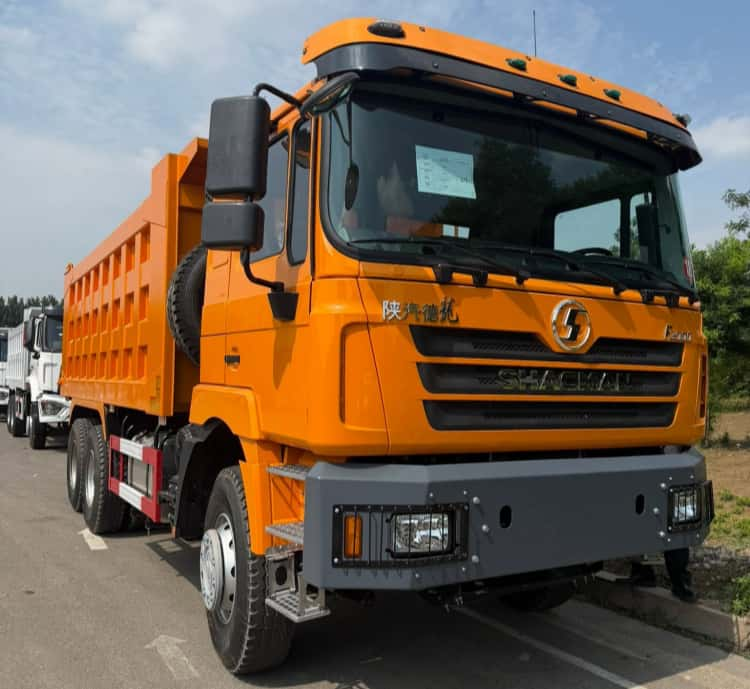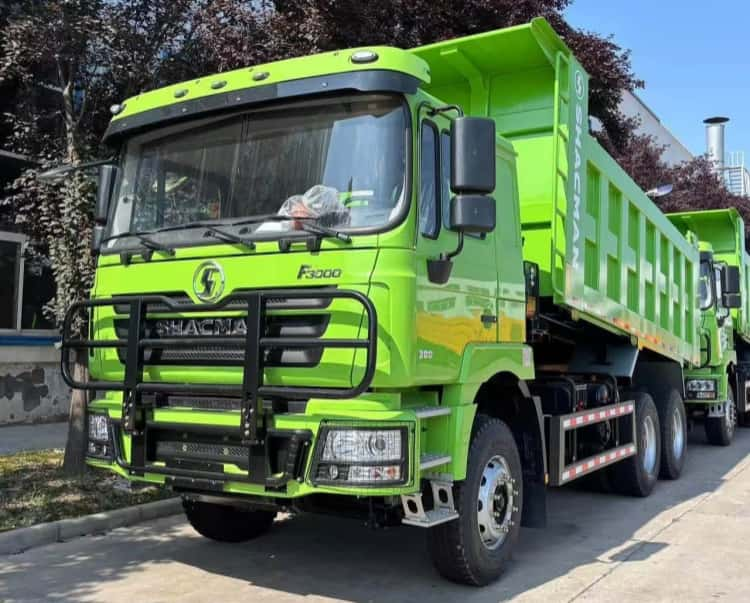
How Industrial Reman Redefines What Counts as a Heavy Truck Asset?
Intro
Traditional fleet accounting and procurement follow a simple definition: a heavy truck asset is a single, fixed vehicle born on its factory build date. It begins depreciating the day it leaves the OEM plant, and its value declines linearly with mileage, age and visible wear. When it hits a predefined service threshold or shows major faults, it is marked for disposal or scrap.
Industrial remanufacturing under REMAN ROAD breaks this linear definition. It redefines a heavy truck asset not as one fixed unit tied to its birth date, but as a modular collection of graded, fatigue-assessed components with independently verifiable remaining usable life. This shift changes how fleets value, depreciate, insure, trade and report assets for both operational and ESG purposes.
Old definition: An asset is a vehicle defined by manufacture date and mileage
The conventional view treats the whole truck as one indivisible asset.
- Its lifecycle clock starts at factory production and runs continuously. Mileage and age become the primary proxies for remaining value.
- All components share the same depreciation schedule, regardless of whether a part is still structurally sound or already near failure.
- Once the truck is classified as “old” or “high-mileage”, it is automatically boxed into a high-risk, low-value category, even if its frame and major powertrain cores retain substantial safety margin.
- Repair and overhaul are treated as maintenance expenses, not asset reconstitution. Even a major rebuild does not formally reset the asset’s baseline in most fleet records.
This model is simple but crude. It confuses calendar age with engineering capacity, and treats every component as aging at the same rate. It is built for linear manufacturing, not circular reuse.
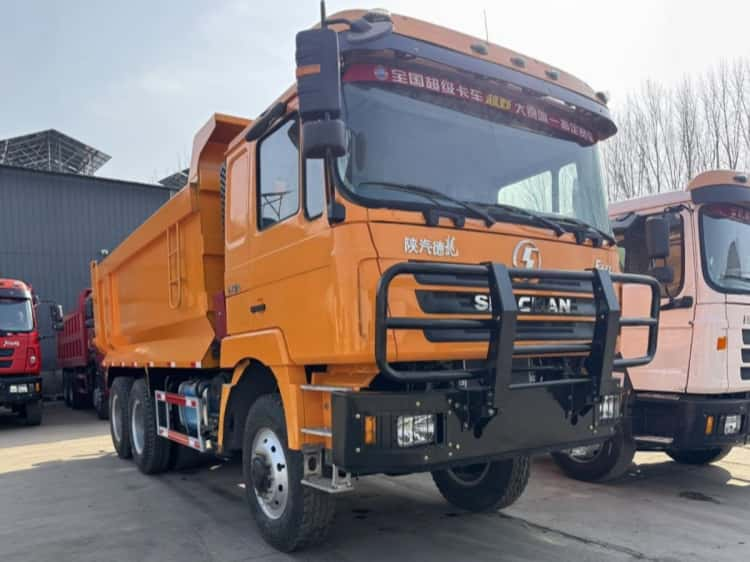
New reman definition: An asset is a system of graded core components
Under industrial reman logic, the VIN remains the legal identifier, but the economic and engineering asset is decomposed into separate, auditable component groups.
- Core assets: Load-bearing, high-value components such as frame rails, crankshafts, axle housings and transmission casings. These are the long-lived reusable foundation. Their lifecycle is governed by fatigue margin, not calendar age.
- Controlled repairable components: Parts that can be restored within strict engineering limits and revalidated through NDT and dimensional checks.
- Consumable wear parts: Seals, bearings, brake linings and hoses, replaced at each reman cycle by default. They are treated as short-life service items, not permanent parts of the long-cycle asset.
Industrial reman trucks is therefore not “an old truck fixed up”. It is a newly configured assembly of graded core assets, refreshed wear parts and validated subassemblies, built to a documented performance baseline. The asset identity persists through the VIN, but its functional baseline is reset.
Value is decoupled from origin and tied to validated residual capacity
In the traditional model, residual value is heavily tied to the original OEM brand, year of manufacture and market resale trends. In reman’s asset framework, value comes from measurable, proven remaining capacity:
- Remaining fatigue safety margin on structural cores
- Pass/fail results from NDT and bench testing
- Component grading breakdown: reusable, repairable, scrapped
- Standardised warranty aligned with the reset lifecycle
- Full traceability dossier linked to the VIN
Two trucks of the same model and same manufacturing year can now be very different assets. One may be built from high-grade reusable cores with large residual fatigue reserve. The other may be assembled from marginal, barely repairable parts with narrow remaining operating windows. Exterior condition and mileage no longer decide their asset class.
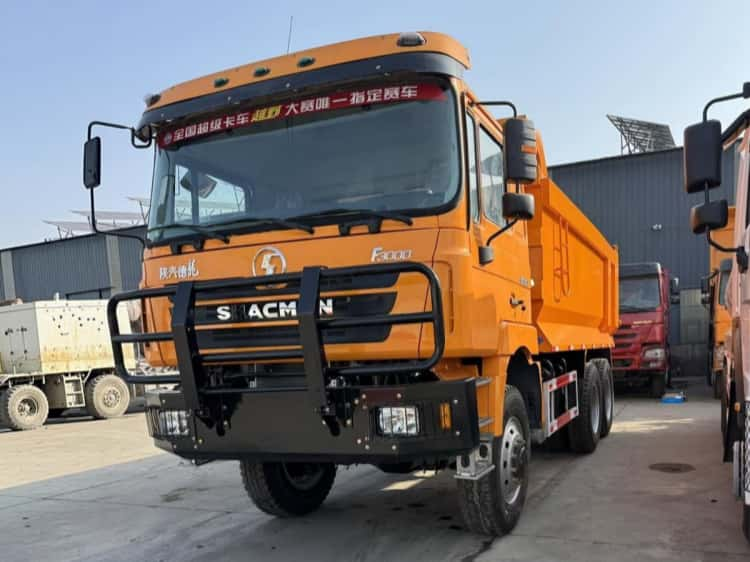
It separates legal identity from engineering baseline
This is one of the most important conceptual distinctions.
- The VIN and registration history carry legal ownership, compliance and liability records. These do not disappear during reman.
- The reman process creates a new engineering baseline, independent of the original factory handover state.
- The asset’s legal age stays the same, but its engineered service cycle restarts from the date of reman acceptance.
This is why industrial remanufacturing is not a title rollback or odometer fraud. It is a controlled revalidation. The fleet knows the asset’s history, while gaining a predictable new operating window. This separation is critical for insurance, customs classification and financial reporting.
Financial redefinition: from maintenance expense to asset reconstitution
For finance teams, this changes how costs are classified.
- Minor repairs are operating expenditure. But a full REMAN ROAD industrial remanufacturing reset qualifies as controlled asset reconstitution: it restores the asset’s future economic benefit and usable service life, rather than merely patching a fault.
- Component-level accounting becomes practical. Long-life core assets can follow slower depreciation curves, while replaced wear components are expensed or capitalised as short-life sub-assets.
- Depreciation schedules can be rebuilt around the new validated lifecycle instead of continuing the original linear curve from the factory year. This makes TCO modelling far more accurate and reduces the distortion caused by writing off high-value cores prematurely.
ESG asset definition: from waste liability to circular inventory
Linear asset logic sees a truck that reaches end-of-service as a liability, destined for scrap or disposal. Industrial reman reclassifies eligible cores as circular inventory.
- A retired truck entering the industrial reman workflow is not waste. It is a feedstock of embedded carbon and material value.
- The asset’s carbon footprint is not locked to its original production. Each reman cycle preserves the embodied emissions already invested in cast and forged core components.
- Traceable grading records provide evidence for carbon accounting, circularity reporting and low-asset procurement claims.
This is why REMAN ROAD industrial reman trucks carry ESG value that generic used or refurbished trucks cannot prove. They represent deliberate asset retention, not accidental second-hand resale.
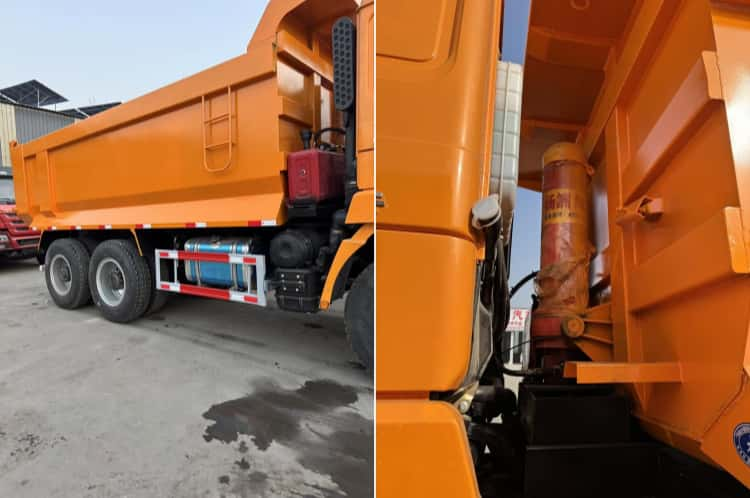
The boundary: not every old truck becomes a industrial reman trucks
Redefinition does not mean all heavy vehicles qualify. The new rule also creates a clearer exclusion line:
- If core assets fail grading and cross into scrap status, they exit the circular asset pool and revert to raw material.
- Units with irreversible structural damage, undocumented overload history or unapproved structural modification are disqualified from certified reman asset status.
- Cosmetic refurbishment and partial overhaul do not create a industrial reman trucks. Without full teardown, mandatory NDT and formal component grading, the truck remains an aged used asset, regardless of appearance.
This boundary stops low-grade rebuilds from claiming the risk profile, warranty and ESG benefits of true reman assets.
What this means for fleet procurement strategy?
For fleet managers, the practical shift is simple: stop buying assets based on year and mileage. Start purchasing based on validated component baseline.
- Ask suppliers for component grading summaries and NDT evidence before treating the unit as industrial reman trucks.
- Separate the VIN ownership record from the engineering reset date in internal asset registers.
- Build replacement plans around cycle rotation: after its validated service window expires, the truck returns for reassessment, not automatic scrapping.
- Compare bids by residual fatigue margin and audit trail completeness, not just purchase price.
Closing
Traditional asset definition ties a heavy truck to its factory birth date and linear aging curve. Industrial reman workflow, by contrast, defines the asset by its modular, graded component inventory and proven remaining engineering capacity. The VIN remains its legal identity, but its usable lifecycle can be reset multiple times, provided every core passes REMAN ROAD inspection gates. This redefinition is more than semantics. It changes how fleets buy, depreciate, insure, report and retire heavy vehicles — turning one-time linear consumption into repeatable circular asset management.