Understanding Reman Vehicle Grading Before You Buy
Intro
Many fleets evaluate reman vehicles only on price, mileage and exterior appearance. What they rarely verify upfront is asset grading — the formal engineering classification that determines whether a core is eligible for reman, which parts can be reused, which may be repaired, and which must be scrapped.
Under the REMAN ROAD workflow, grading is not a loose opinion from a mechanic. It is a documented, measurement-driven gate applied at component and vehicle level before rebuild begins. Understanding this grading framework before you sign an RFQ or accept delivery protects your fleet from buying units built on marginal, high-risk cores.
Two layers of grading: vehicle core grading and individual component grading
Asset grading operates on two linked levels, and buyers often confuse them.
- Vehicle core grading: Judges whether an incoming whole truck qualifies as a reman candidate in the first place. This is the first screening gate. If the core fails vehicle-level grading, it is rejected for certified reman, even if some individual parts look usable.
- Component grading: Applied after full teardown to every load-bearing and functional part. This sorts items into three fixed buckets: reusable, repairable, mandatory scrap.
A truck can pass vehicle core screening and still have many individual components marked scrap. Conversely, a truck that looks intact visually may fail core grading due to frame damage, history of severe overload or irreversible corrosion. Low-quality refurb shops skip vehicle core grading entirely and only replace obviously broken parts.
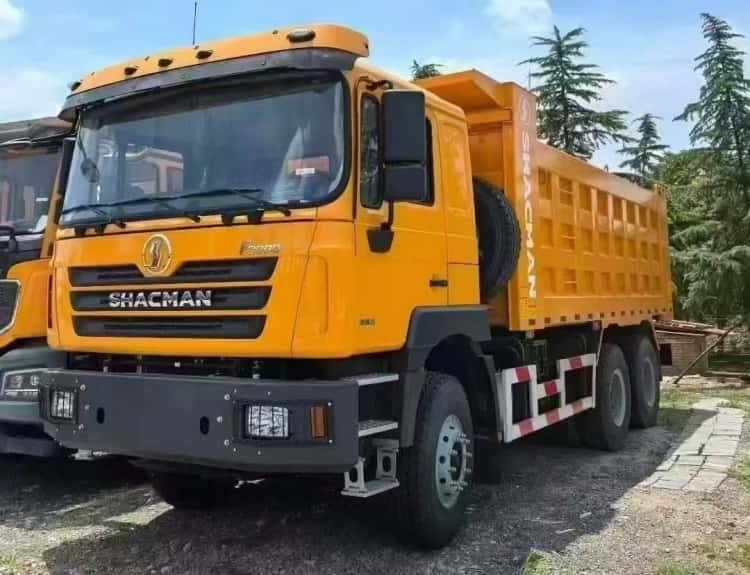
Vehicle core grading: the first filter before reman starts
Before disassembly, inspectors assess the core’s history and baseline condition against fixed acceptance rules. Key grading triggers for rejection include:
- Documented or visible frame impact damage, twisting or cracking that exceeds repair limits
- Long-term exposure to corrosive environments such as chemical spillage or heavy salt immersion causing deep intergranular corrosion
- History of catastrophic powertrain failure that generated secondary structural overload
- Unauthorised structural modifications that alter OEM load paths and design margins
- Missing VIN records, inconsistent identification or unclear ownership traceability
A core graded as ineligible for reman moves to component harvesting or full end-of-life recycling. It never enters the certified reman build stream. Buying a certified reman built from an ungraded core means you inherit all the unknown risk of its prior abuse.
Component grading: the three standard REMAN ROAD categories
Once fully disassembled and cleaned, every critical component receives a formal grade based on dimensional checks, NDT results, corrosion mapping and material validation.
- Reusable: Dimensions sit within OEM tolerance bands; no subsurface cracks, fatigue pitting or excessive corrosion. It retains adequate fatigue safety margin and can be reassembled directly without repair. This is the highest-value category for circular reman.
- Repairable: Deviations or minor damage fall within defined repair envelopes. Approved processes such as precision machining, controlled straightening or qualified welding may restore the part. Every repair must be followed by re-inspection and NDT revalidation. Parts outside repair limits cannot stay in this category.
- Mandatory scrap: Irreversible damage including deep fatigue cracks, excessive material loss, distortion beyond correction thresholds or material degradation that cannot be recovered. These parts are discarded and never used in a certified build, no matter how expensive they are.
No subjective discretion overrides these thresholds. Grading decisions must be recorded and tied to the VIN for audit.

Common grey-area components where grading gets misapplied
Some parts sit on the boundary, and this is where uncertified suppliers cut corners to reduce costs. REMAN ROAD defines hard rules for borderline items:
- Leaf springs and suspension components: graded as structural core assets. Even minor cracking discovered in NDT pushes them to scrap.
- Brake drums and rotors: wall thickness is the primary metric. Below minimum thickness = scrap, regardless of surface condition.
- Gear sets: housing may be reusable, but gears with pitting, spalling or contact fatigue beyond limits are scrapped individually.
- Fasteners: high-strength structural bolts are often one-time-use items; once removed, they may be marked for replacement even if visually sound.
Many cheap rebuilds push scrap-bound components back into service, betting that failure will not occur during the short post-sale warranty window.
How grading links to pricing, warranty and residual value?
Grading directly shapes the commercial profile of a certified reman vehicle, even when two units are the same model.
- A build with a high share of reusable core assets will carry better residual value and lower long-term risk.
- A build relying heavily on repairable components will still meet the standard, but its remaining fatigue envelope may be narrower, and maintenance planning must reflect that.
- A unit built from marginal cores that barely pass grading gates will be cheaper upfront but carries higher risk of earlier retirement.
Reputable suppliers disclose grading summaries in the pre-delivery dossier. If a vendor cannot tell you the grade of the original core and the breakdown of reusable / repairable / scrapped components, they are not operating under standardised certified reman rules.
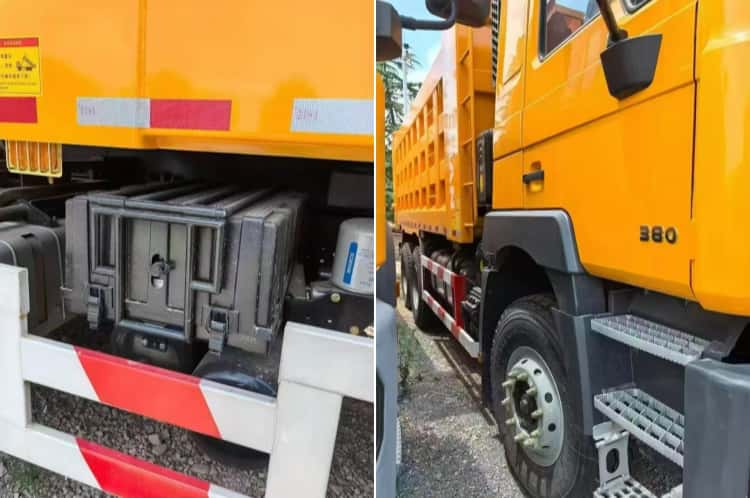
Practical checks buyers can add to RFQ and inspection clauses
Before committing to purchase, embed grading verification into your procurement terms:
- Request the original core grading report before build starts, not only after completion.
- Ask for a component grading summary table showing counts of reusable, repairable and scrapped critical parts.
- Confirm all scrap decisions are backed by NDT or dimensional records, not visual judgement.
- Reject any clause that lets the supplier “approve parts on visual inspection only”.
- Confirm that repairable components include post-repair validation reports.
These clauses stop suppliers from marketing low-grade cores as certified reman just because the finished truck drives well.
The biggest fleet mistake: equating clean appearance with high grading
Cosmetic refurbishment hides poor grading outcomes. Paint, new upholstery and cleaned engine bays do not change the fatigue grade of a frame or crankshaft. A truck can look pristine while being assembled from borderline repairable parts that are near their engineering limit.
Without reviewing the grading trail, fleet buyers cannot distinguish between a high-quality certified reman vehicle built from robust reusable cores and a marginal unit squeezed through loose internal rules.
Closing
Reman vehicle grading is the foundational risk filter of the REMAN ROAD workflow. It separates cores that deserve a new lifecycle from those that belong in recycling, and it governs the fate of every component once the truck is fully torn down.
Before buying acertified reman vehicle, your first question should not be “how many miles?” or “what colour is the cab?”. It should be: can you show me the core grading assessment and component classification records? Grading transparency is the simplest way to confirm you are buying a properly reset asset — not a marginal core dressed up for sale.