The Role of Material Certification in Reman Part Acceptance
Intro
Many fleets assume that a part which fits physically is suitable for service. Yet two components with identical external dimensions can have vastly different material strength, hardness and fatigue resistance. Low-grade replacement steel, counterfeit castings or heat-damaged original cores may look the same, but they fail rapidly under heavy cyclic load. Visual inspection and basic dimensional checks cannot uncover material specification drift.
REMAN ROAD integrates material certification as a formal acceptance gate, paired with NDT and dimensional testing before a component is cleared for assembly. All material certificates are archived under the VIN in the Quality Log and available for third-party audit.
What material certification confirms?
Material certification documents the chemical composition and mechanical properties of a component. For retained original load-bearing parts, it validates the base material grade, tensile strength, yield strength and hardness. For new replacement parts, it confirms the component matches the OEM material specification, rather than generic aftermarket equivalents.
Key data points include alloy content, heat treatment records, impact resistance and stress relief status. This evidence answers one critical question: does this material still have the engineering capacity to safely perform within the defined duty envelope?
How certification applies to retained core components?
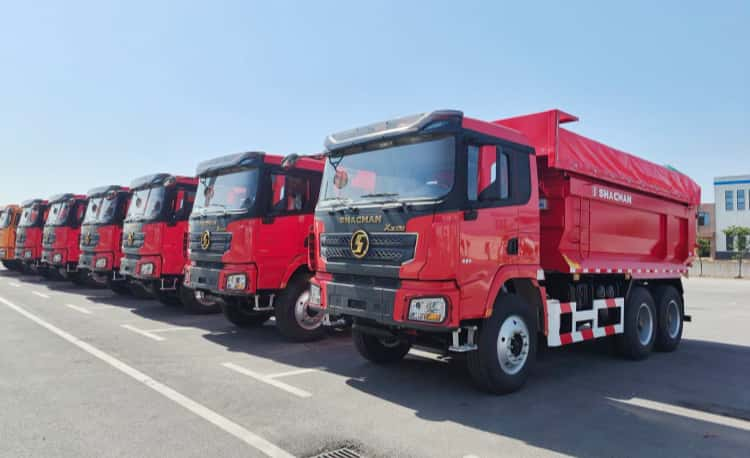
Retained frame rails, axle housings, knuckles and gear castings do not automatically qualify just because they pass NDT. If the part has been exposed to excessive heat from fire, overheating or uncontrolled straightening, its metallurgical structure may degrade. NDT can detect cracks, but it cannot always prove that the material’s original strength has not been compromised.
When material testing confirms the metallurgical properties remain within specification, the part moves forward into the three-bucket grading workflow. If testing reveals material degradation, the component is marked for scrap, even when no cracks are visible.
Certification requirements for new replacement parts
Mandatory renewal parts such as bearings, hydraulic fittings, spring steel and brake components require valid material certificates from the supplier. REMAN ROAD rejects generic parts that lack traceable material documentation.
Counterfeit or low-cost aftermarket parts often cut corners on alloy formulation and heat treatment. They may meet static load tests but degrade quickly under repeated shock loading on construction or quarry sites. Material certification creates a verifiable chain, proving that replacement parts match the original design intent.
How material certification works alongside other inspection steps?
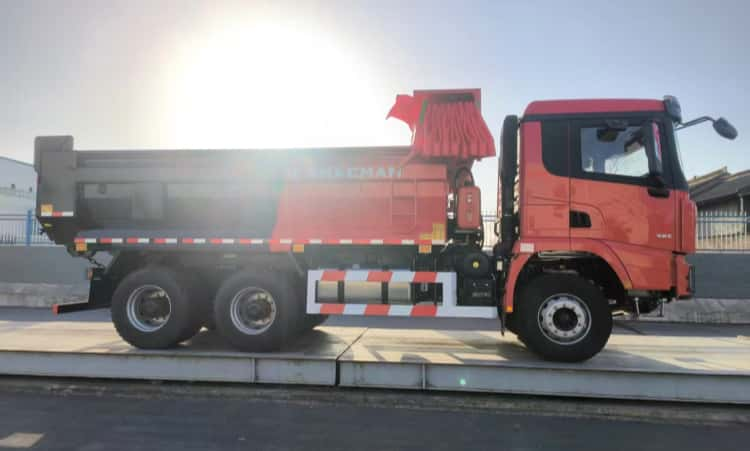
Material certification is not a standalone pass/fail test. It forms one layer of the acceptance package, working together with NDT, dimensional inspection and component grading.
A part can have perfect material certification but fail NDT due to fatigue cracks, so it will still be scrapped. Conversely, a part with clean NDT results can be rejected if material testing shows degraded hardness or improper alloy.
Only when all acceptance criteria align can the component be approved for assembly. This multi-layer check eliminates the risk of relying on a single inspection method.
Common market gaps and risks
Many informal rebuilds ignore material certification entirely. They source low-cost replacement parts with no supporting paperwork, or reuse heat-damaged castings without metallurgical verification.
Some vendors provide generic certificates that are not tied to the specific batch or component serial number. These documents are not valid for REMAN ROAD acceptance. Without verified material properties, the published duty envelope becomes meaningless, because the actual strength of the component is unknown.
The financial impact for fleet operators
Material-related failures tend to happen suddenly under heavy load, leading to costly downtime and safety exposure. Certified material traceability reduces the chance of these catastrophic failures. It also supports residual value retention.
When a fleet resells or rotates a REMAN ROAD certified reman truck, buyers can review material certificates alongside NDT and test records, confirming the asset’s structural foundation. This transparency avoids the steep discount applied to assets with unknown material quality.
Final Takeaway
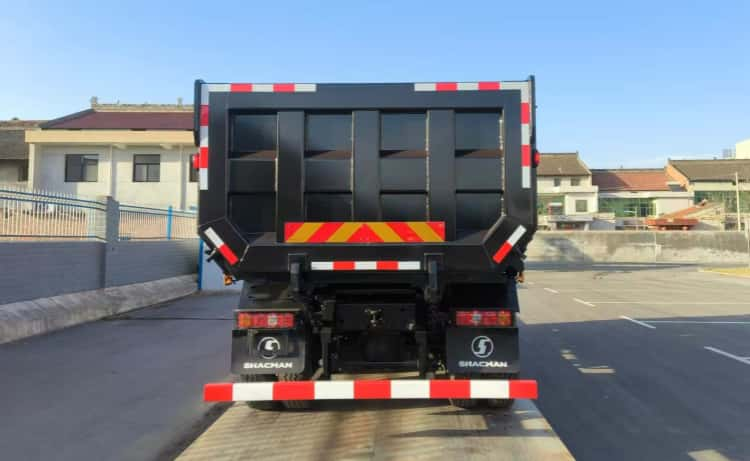
Material certification is the proof of metallurgical fitness for reman components. For REMAN ROAD certified reman trucks, it complements NDT and dimensional checks to confirm that both retained and new parts meet the required material standard. Skipping material certification creates invisible risk: components that fit, look acceptable, but lack the strength to survive cyclic heavy-duty operation. For fleet buyers, valid material documentation is a key marker that a reman unit has been evaluated by engineering standards, not just cosmetic or fit checks.