Frame Straightness Tolerances Every Reman Buyer Should Know
Intro
Heavy-duty truck frames bend and twist over time under cyclic load, impact and off-road abuse. A slightly bent frame may still drive, but it creates uneven stress distribution, accelerated tyre wear, driveline vibration and elevated fatigue risk. Many casual rebuilders only make rough visual judgements, without precise measurement or clear allowable limits.
REMAN ROAD defines objective, measurable frame straightness tolerances aligned with OEM chassis engineering standards. These limits are checked before reman processing, after straightening work, and reconfirmed via dimensional logging in the VIN Quality Log.
What frame straightness covers?
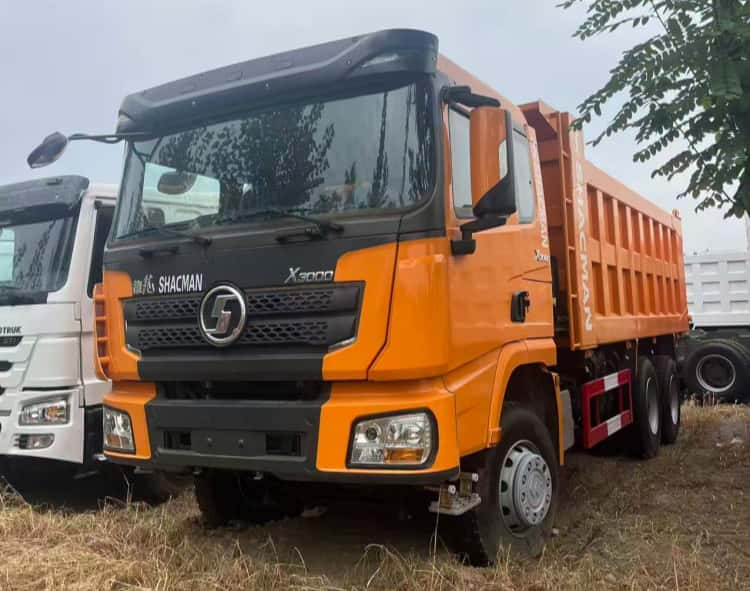
Frame inspection checks three key planes. Vertical bow measures up-and-down curvature along the frame rail length. Horizontal sweep tracks side-to-side bending of the rail. Twist evaluates the rotational offset between corresponding points on the left and right frame rails.
All three forms of deformation generate concentrated stress hotspots. Even small deviations add stress to welds, crossmembers, suspension brackets and axle mounting points, shortening the usable service life of the reman truck.
Standard tolerance principles for REMAN ROAD reman frames
Tolerances are not universal; they reference the original chassis OEM specification and the core’s pre-reman grade.
- Grade A cores must stay within the tightest allowable OEM limits, suitable for full-rated heavy payload.
- Grade B cores accept a moderate, documented deviation, paired with reduced payload and more frequent NDT spot checks.
Any core that exceeds the maximum repairable threshold is classified as Grade D and sent for scrap, rather than forced back into shape. Straightening is only permitted when the frame steel has not suffered thermal damage, cracking or permanent material work-hardening.

Critical rule: tolerance limits are not repair targets
A common misunderstanding is that “within tolerance” means the frame can be pushed right to the limit. The tolerance band is the acceptance boundary, not the ideal target. REMAN ROAD technicians aim to restore the frame as close to original factory geometry as practicable.
A frame sitting at the absolute edge of the allowable deviation will still accumulate stress faster than a perfectly aligned rail. Such reman frames are clearly flagged in the Quality Log and assigned a more conservative duty envelope.
How measurement is performed?
Inspectors use laser alignment tools, straight edges and dial indicators instead of visual estimation. Measurements are taken at fixed reference points: front axle mounting, suspension hanger locations, crossmember joints and rear axle brackets. All readings are recorded and compared against the baseline dimension drawing of the chassis model.
After hydraulic straightening, the frame rests for a stabilisation period, then undergoes re-measurement and NDT scanning. Straightening can introduce new subsurface fatigue, so NDT after correction is mandatory.
Red flags for buyers to watch
Beware sellers who refuse to share dimensional reports, or claim “a little bend is normal for used frames”. Avoid frames that have been repeatedly straightened, heated for bending, or patched with thick reinforcement plates to hide distortion.
Heat straightening without strict temperature control alters the material properties of the frame rail, weakening its load-bearing capacity permanently. These modified frames will not pass REMAN ROAD third-party audit and cannot receive certification.
Why this matters for your fleet TCO?
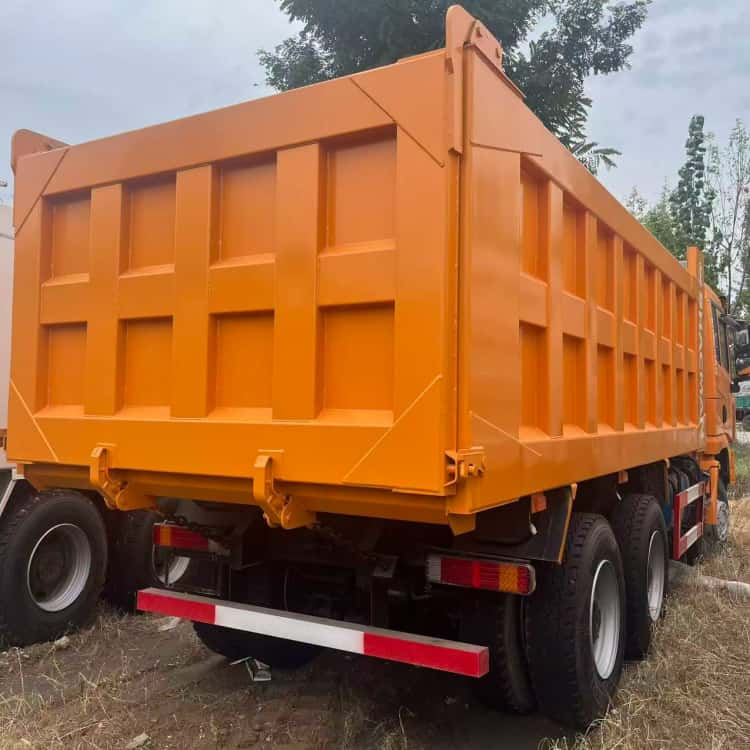
A frame outside acceptable straightness tolerances triggers cascading secondary failures. Driveline misalignment raises vibration, wears universal joints and bearings quickly, and pushes up fuel consumption. Uneven suspension loading accelerates leaf spring failure and irregular tyre wear.
Over time, these recurring repair costs far outweigh any savings from buying a poorly aligned reman chassis. When the reman frame geometry is controlled and documented, the rest of the reman powertrain, brake and suspension systems can operate as designed.
Final Takeaway
Frame straightness tolerances set clear, measurable boundaries for safe reman chassis reuse. REMAN ROAD ties measurement records, straightening approvals and duty envelope limits together to avoid overstressed frames entering service.
Buyers who understand these limits can verify that frame corrections are controlled, not reckless. Accepting unmeasured, borderline frame geometry is a hidden risk that undermines the reliability and lifecycle value of your reman truck investment.