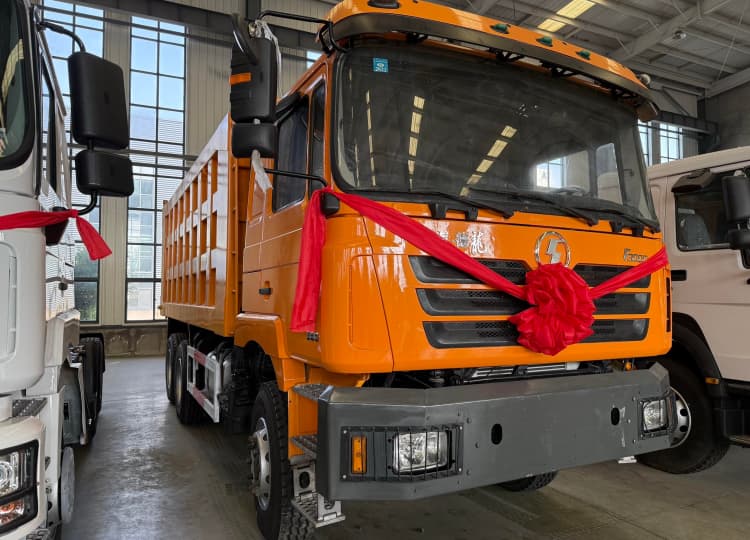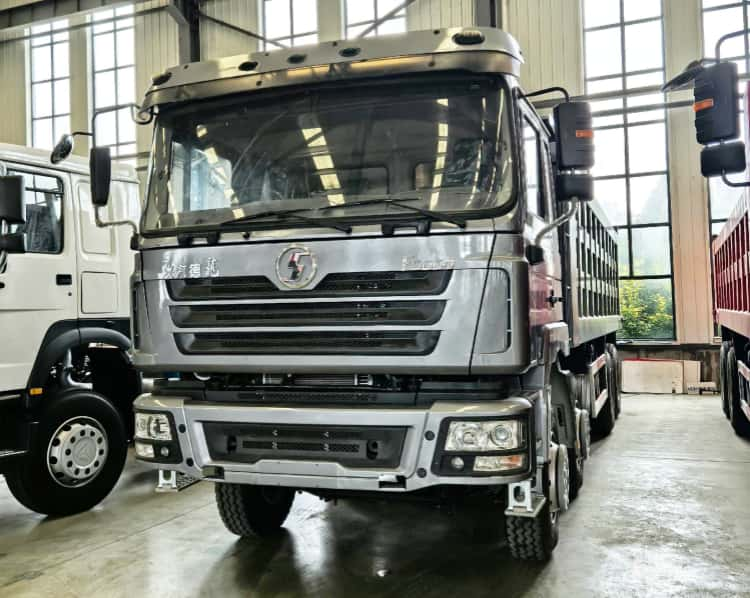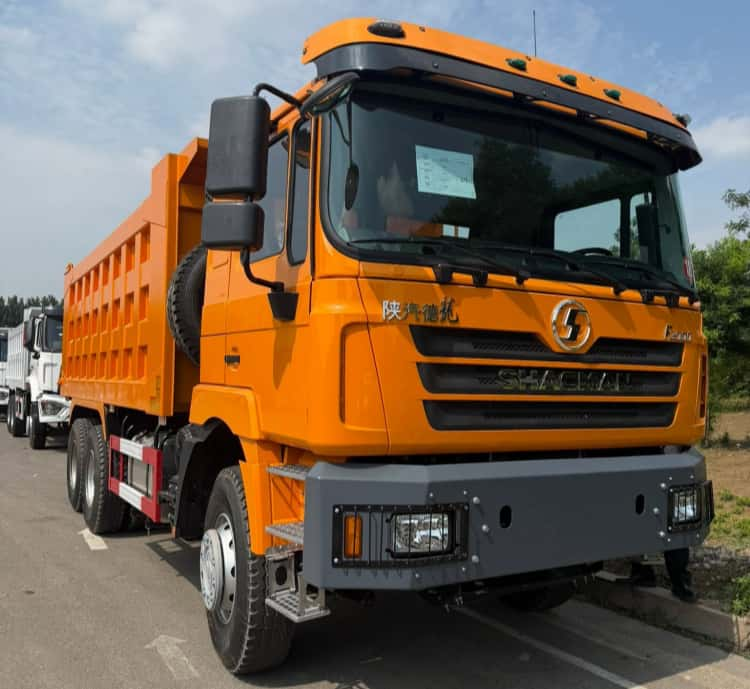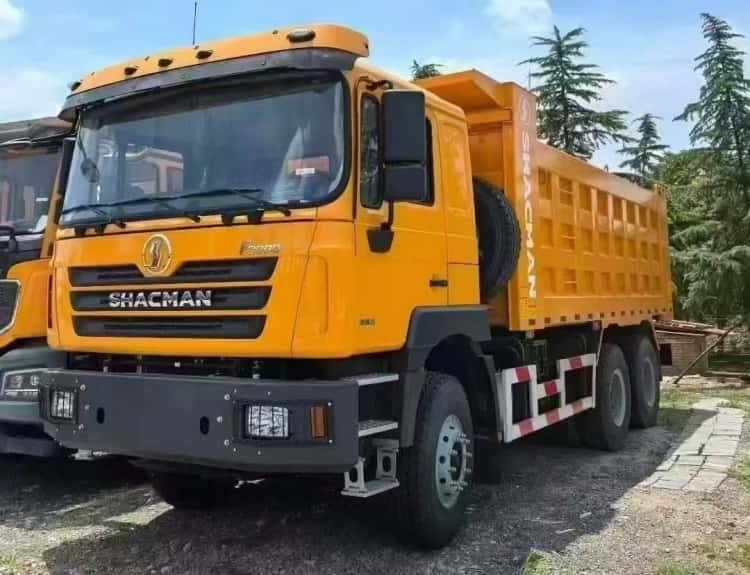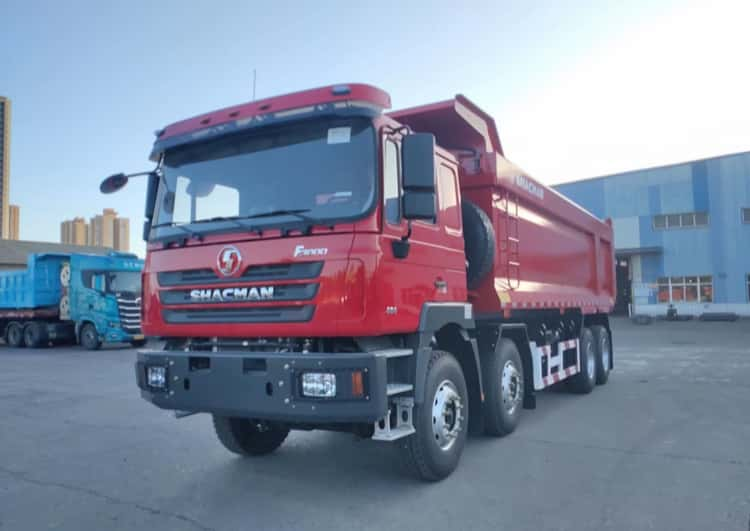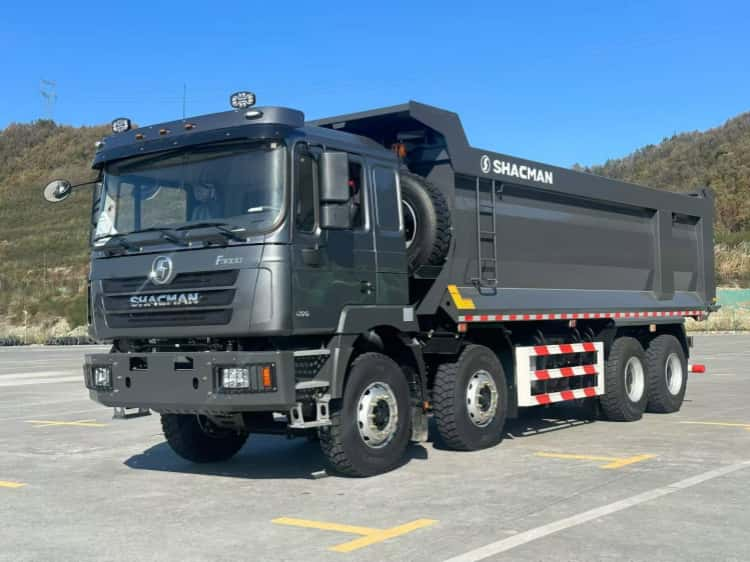
The Difference Between Asset Recovery and Component Harvesting
Introduce
In the circular supply chain for heavy-duty assets, asset recovery and component harvesting both pull usable value from end-of-life or degraded trucks. But they follow entirely different objectives, inspection rules and value logic. Many buyers mix these two terms up, assuming they describe the same activity.
For standardized reman workflows, the line is clear: asset recovery targets the whole vehicle as a candidate for lifecycle reset, while component harvesting breaks down the unit to extract individual spare parts. One preserves the integrated system value; the other dismantles the system into discrete inventory.
Asset recovery treats the full truck as a single engineering asset
Asset recovery starts with the complete vehicle as the core unit of value. When a fleet returns a used truck, the recovery team treats it as a potential reman core, not a pile of parts waiting to be split apart.
The first step is holistic qualification. Engineers review the full service history, run chassis dimensional checks, deploy NDT screening across all fatigue-critical zones, and model the residual fatigue margin of the frame, axles and major powertrain assemblies. The assessment judges whether the complete asset still has enough remaining safety margin to support a full second lifecycle under OEM design intent.
If the truck passes the acceptance gate, it moves into the full standardized reman workflow. It will go through staged disassembly, component sorting, regeneration, mandatory renewal, reassembly, system calibration and end-of-line validation. The final output is a fully standardized reman trucks, with intact system matching, VIN traceability and a whole-vehicle warranty.
Even during disassembly, asset recovery keeps every component linked back to its original VIN. The parts are not separated permanently from the parent chassis record. The goal is to put a validated, harmonised system back together again.
Asset recovery fails only when the whole chassis cannot meet the reman acceptance standard. At that point, the workflow shifts toward component harvesting.
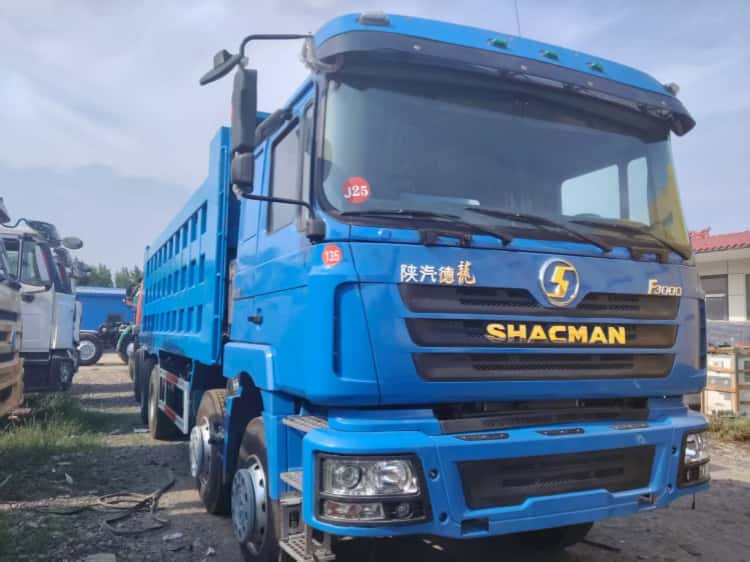
Component harvesting prioritises isolated part value, not system integrity
Component harvesting begins with a fixed assumption: the full truck will not be rebuilt as one complete unit. The vehicle enters the workflow to be split, stripped and reduced to individual subassemblies and loose parts.
Inspection here is part-specific. Each harvested component is cleaned, tested individually, graded and tagged for spare-parts stock. An engine, a steering box or a suspension bracket is evaluated on its own functional condition. There is no requirement to check how it will interact with the original chassis, nor to verify the residual fatigue state of the frame it once belonged to.
Harvested parts can be sold as used spares, or fed into separate reman lines for standalone component reman. But the original system pairing is lost. The match between that engine and its original axle, cooling circuit, ECU calibration and chassis vibration profile is gone forever.
Harvesting does not require a full system traceability package for the original VIN. Records usually only cover the individual component itself, if any documentation is kept at all. These parts cannot carry the same whole-vehicle certification or lifecycle warranty as standardized reman trucks built via asset recovery.
Different inspection standards and pass/fail rules
This is where the engineering gap becomes most obvious.
Asset recovery uses a global acceptance threshold. Even if every single component looks serviceable, the entire core can be rejected if the chassis frame has exceeded safe fatigue limits. The weakest structural link decides the fate of the whole vehicle. The system comes first.
Component harvesting uses local acceptance thresholds. One part can be approved for resale even if the rest of the truck’s frame is cracked and condemned. The harvesting process only cares whether that individual part can function as a standalone spare. It does not assess the health of the original asset as a complete system.
This creates a critical risk for fleets. A harvested component may test fine on a bench, yet carry hidden fatigue damage that only surfaces once it is installed into a different truck and exposed to real combined load and vibration. Bench testing alone cannot replicate the full system stress environment.
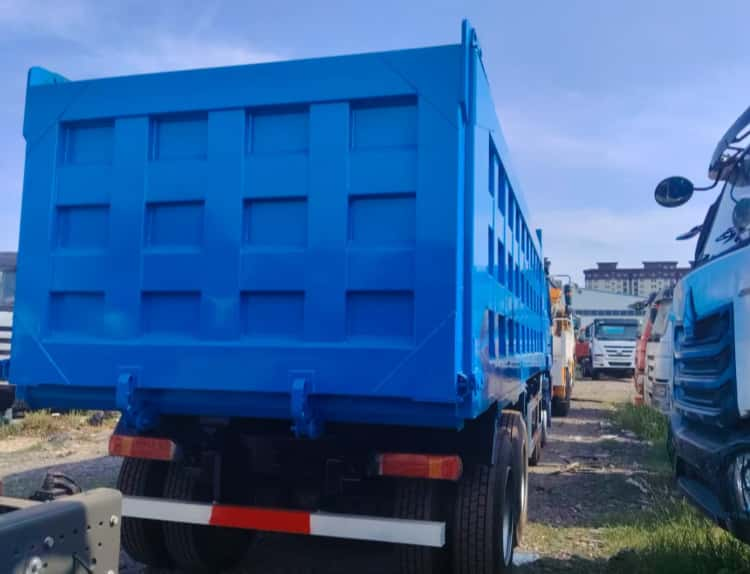
Different value streams and commercial outcomes
Asset recovery unlocks higher layered value. Standardized reman trucks delivers stable TCO, predictable uptime, documented residual value and whole-system warranty. It retains the premium associated with a validated, lifecycle-reset asset. This is the high-value circular pathway REMAN ROAD is built around.
Component harvesting delivers lower, simpler value. It supplies affordable spare parts for emergency repair and routine maintenance. The value is smaller per unit, and the risk is distributed to whoever buys and fits the harvested part. Harvesting is a supporting supply chain activity, not a pathway to deliver certified reman heavy trucks.
Many low-grade suppliers blur these two streams. They sell harvested parts assembled into a truck, then market the finished vehicle as remanufactured. This is essentially a patchwork build from disjointed spare components. It lacks the system-level validation and matched fatigue baseline that genuine reman requires.
How they connect inside one circular ecosystem?
Asset recovery and component harvesting are not opposites. They work as sequential gates within the same circular framework.
When a recovered core fails the full-asset qualification, it is diverted into component harvesting. Its still-usable subsystems are extracted, inspected and stocked as spare parts. Condemned material goes to metal recycling. Nothing useful is wasted, but the attempt to rebuild the complete truck is abandoned.
Harvested parts can also feed into standardized reman workflow, but only under strict controls. They must go through independent requalification, and they are treated as individual replacement components, not the foundation of a new system reset. They are inputs to asset recovery, not a replacement for it.
Closing thought
Asset recovery preserves the system. It evaluates the truck as an integrated engineering entity, with the goal of returning a fully validated, standardized reman trucks to fleet service. Component harvesting breaks the system apart. It extracts individual parts for separate use, abandoning the original vehicle-level system relationship and lifecycle potential.
Understanding this distinction helps procurement teams avoid a common trap: buying a truck assembled from harvested parts, while expecting the reliability, traceability and TCO stability of a properly recovered and remanufactured core.