Why NDT Is Non-Negotiable for Load-Bearing Reman Parts?
Intro
Visual inspection only catches surface damage and obvious cracks. Heavy-duty truck frames, axle housings, steering knuckles and gear castings can develop internal fatigue flaws that stay invisible to the naked eye. These hidden defects grow gradually under cyclic load, until sudden catastrophic fracture occurs on site or on the road. Many low-cost rebuilds skip NDT entirely, relying only on visual checks and simple dimensional measurement. REMAN ROAD treats non-destructive testing as non-negotiable, because it is the only reliable way to confirm that retained load-bearing parts are structurally safe for a second lifecycle.
What NDT detects that visual checks miss?
Fatigue cracks often start beneath welds, bracket mounting points, frame bend zones and gear root areas. Corrosion thinning and subsurface material discontinuities also sit below the surface. Even a component that looks clean and straight after refurbishment may already contain active crack initiation points.
Non-destructive testing methods such as magnetic particle testing, ultrasonic testing and penetrant testing locate these hidden discontinuities without destroying the part. This NDT testing answers the core question: does this component still have enough residual material strength to operate safely within its duty envelope?
Why load-bearing parts are held to a higher standard?
Load-bearing components carry the vehicle’s payload, shock loads and torsion forces every operating cycle. Unlike wear parts such as seals or brake linings that show gradual performance degradation, structural castings and frame rails can fail without early warning signs.
A failed frame bracket or axle housing brings immediate downtime, and creates serious safety hazards for drivers and site crews. Renewing consumables while skipping structural NDT creates a false sense of reliability. The truck may run smoothly at first, yet carry a ticking structural risk.
How NDT fits into the REMAN ROAD workflow?
NDT is performed after deep cleaning and before component classification. High-stress zones are mapped and sampled according to the original core grade. Grade A cores receive standard non-destructive testing sampling. Grade B and Grade C cores require expanded coverage and repeated spot checks.
Any part with crack indications above the rejection threshold is scrapped, rather than repaired with patch welds. All non-destructive testing reports, scan images and thickness readings are logged into the VIN Quality Log. Third-party auditors will randomly cross-verify NDT testing records during compliance checks.
Common shortcuts and their risks
Some rebuild vendors use “visual NDT” or only test a small fraction of critical parts. Others accept temporary repair welds on cracked load-bearing components to save cost. These shortcuts eliminate the engineering safety baseline.
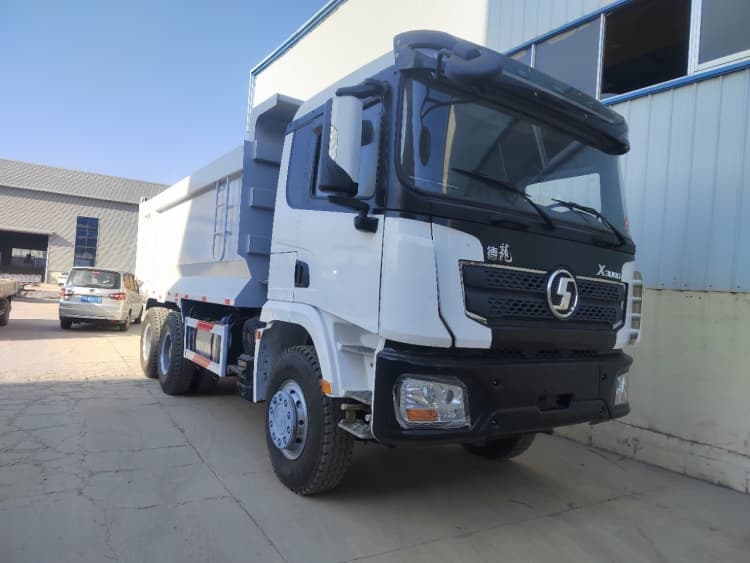
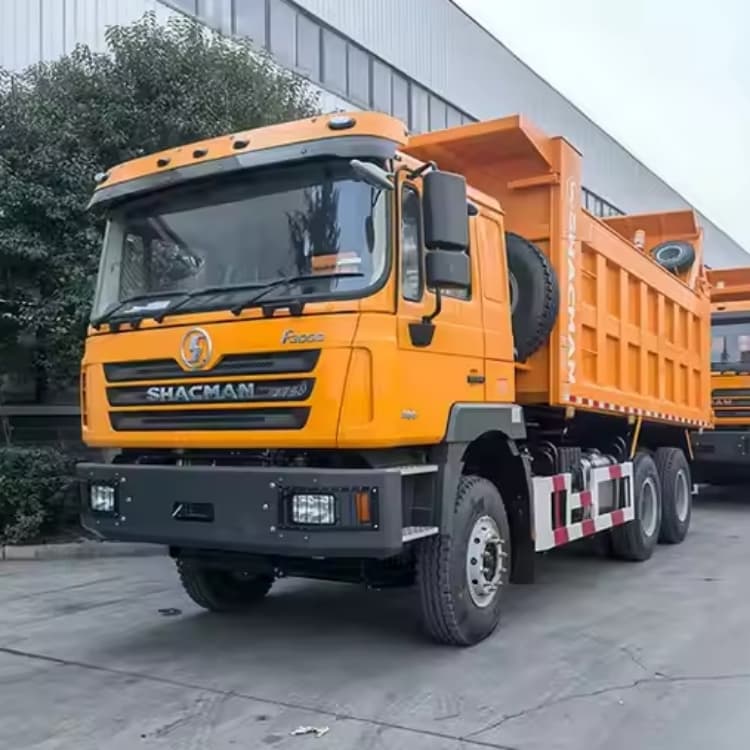
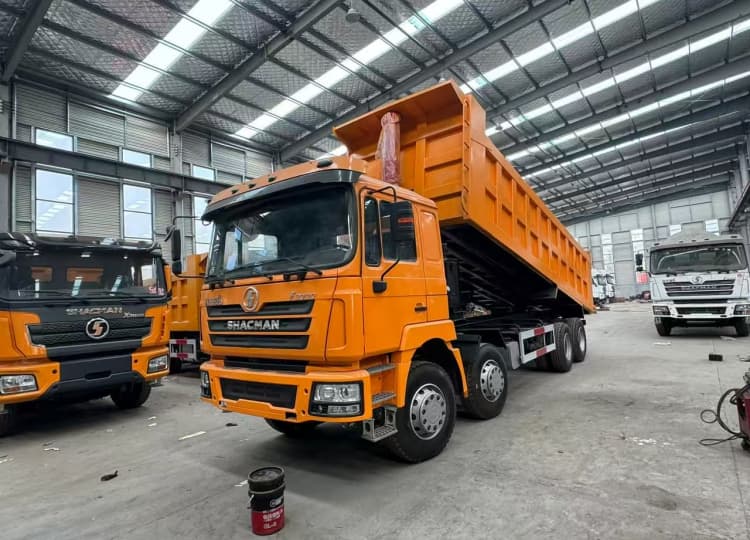
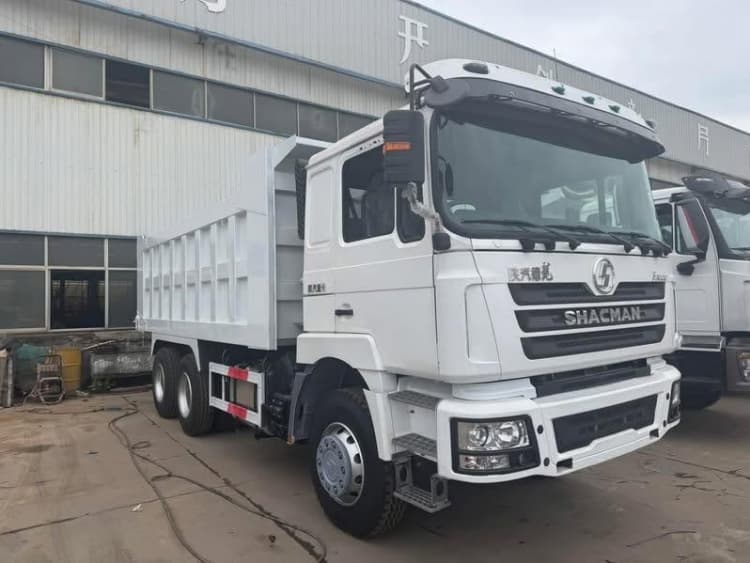
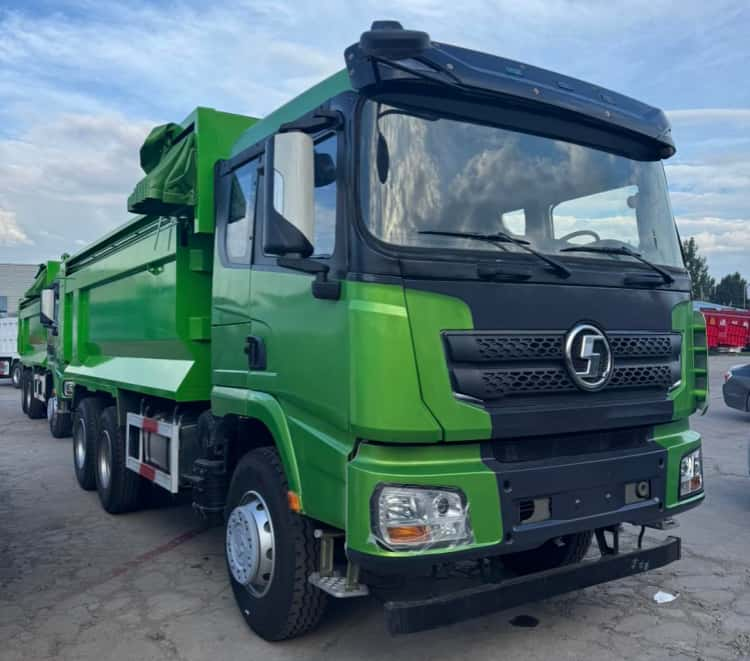
For construction fleets running dump trucks over rough terrain, cyclic loading accelerates crack propagation rapidly. The upfront savings from skipping NDT vanish quickly once a structural failure triggers emergency repair, project delay and liability exposure.
NDT does not equal unlimited service life
NDT confirms a component is free of disqualifying flaws at the time of reman processing. It does not mean the part can withstand unlimited payload or infinite cycles. That is why the final duty envelope and scheduled re-inspection intervals are paired with NDT results.
Fleets still need periodic follow-up NDT spot checks during the asset’s second lifecycle, especially for Grade B and Grade C cores working in off-road conditions.
Final Takeaway
NDT is non-negotiable for load-bearing reman parts because it reveals invisible fatigue flaws that visual inspection cannot identify. REMAN ROAD embeds structured non-destructive testing testing as a core quality gate to separate safe reusable components from high-risk defective ones.
Skipping non-destructive testing trades long-term safety and uptime for lower processing cost. For fleets managing heavy vocational assets, NDT is not an optional extra expense; it is the foundational verification that makes certified truck reman a trustworthy financial and operational choice.