Weld Repair Limits on Reman Structural Components
Intro
Structural cracks, impact damage and weld decay are common on used heavy truck chassis. Many rebuild shops default to quick welds as a universal fix for any cracked frame or bracket. Poorly executed or improperly located welds create brittle heat-affected zones, residual stress and new stress risers. A repair weld can become the weakest point of the entire component, failing earlier than the original defect.
REMAN ROAD establishes clear weld repair limits for reman structural components, governing what can be welded, how it is performed and when scrap is the only correct outcome. All weld repair records, welder qualifications and post-repair NDT results are logged in the VIN Quality Log for audit.
What structural components are covered by weld rules?
These limits apply to all load-bearing steel parts: frame rails, crossmembers, suspension hangers, axle brackets, steering knuckle supports and dump body hinge mounts. Non‑load‑bearing cosmetic brackets, minor sheet metal guards and non‑structural fittings follow separate, less restrictive rules.
The distinction is critical: a repair acceptable for a decorative bracket is forbidden on a frame rail tension zone. Every weld repair request is first reviewed against the OEM drawing and the component’s existing corrosion and fatigue status.
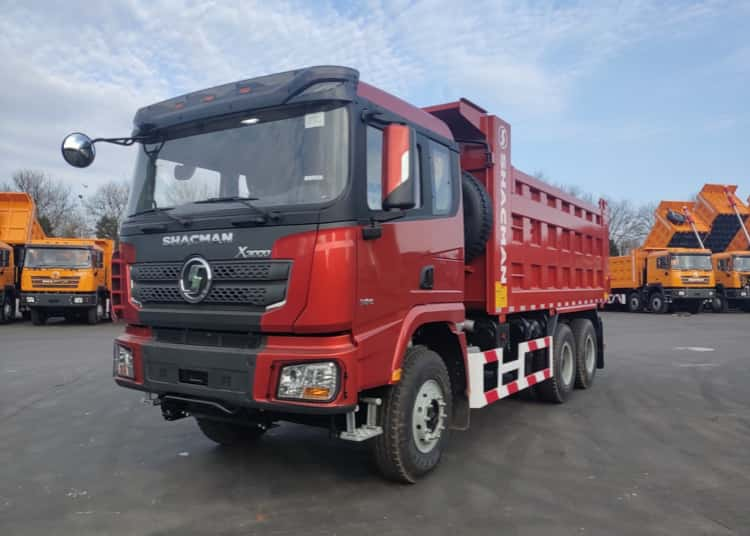
Weld repair zones: permitted vs prohibited areas
Certain high-stress zones are fully prohibited from weld repair under REMAN ROAD standards. This includes the tension flange of main frame rails, areas within the bending moment hotspots, and the root of factory original welds. Cracks that originate in these zones trigger automatic scrap.
Permitted repair zones are limited to low-stress attachment bosses, non-critical bracket mounting pads and compression-side regions, only if the remaining material thickness meets corrosion mapping requirements.
Even in permitted zones, repair is not automatic; it is only approved if the core falls into Grade A or Grade B classification. Grade C cores are generally excluded from structural weld repair, to preserve residual fatigue margin.
Limits on crack size and repair geometry
Crack length and depth set hard thresholds. If a crack extends beyond the maximum allowable dimension, or runs through more than a defined percentage of the component cross-section, the part is scrapped. Weld repair must follow controlled prepping: crack ends are drilled to stop propagation, defects are fully removed before welding, and the joint geometry avoids sharp notches.
Over‑welding, oversized reinforcement pads and bulky build‑up welds are restricted. Excess weld metal creates new stress concentrations that defeat the purpose of the repair. The final profile must blend smoothly with parent material to reduce fatigue initiation points.
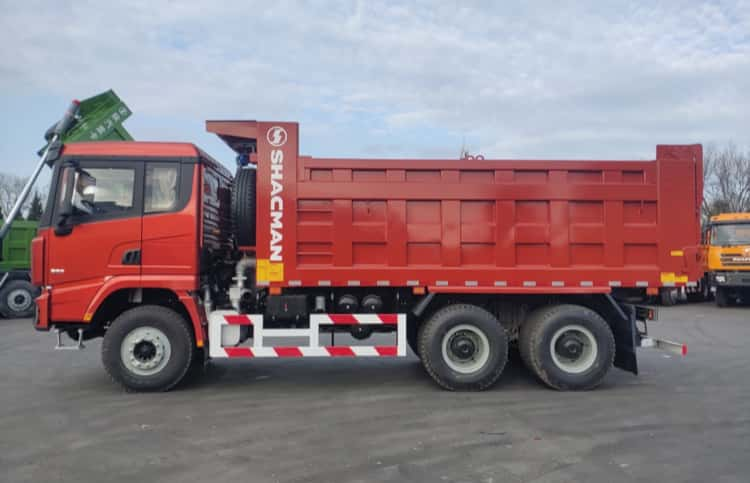
Welding process and material controls
Only qualified welders and approved welding procedures are allowed. Weld consumables must match the base steel grade, with verified material certification. Heat input is tightly controlled to prevent overheating, which would harden or embrittle the heat-affected zone and degrade parent metal strength. For frame steel, uncontrolled high-heat welding is one of the most damaging shortcuts in the market.
Post‑weld heat treatment or stress relief is required for certain heavy‑section repairs, followed by cooling stabilisation before inspection. After cooling, every repair weld must pass NDT, usually magnetic particle or ultrasonic testing, to find subsurface flaws in the weld and heat‑affected zone.
The rule: weld repair is a limited exception, not a standard reset
A key principle of REMAN ROAD reman is that weld repair is a conditional exception, not the primary way to restore a structural part. The three‑bucket grading system prioritises scrap for parts with critical cracks.
Weld repair is only used when the damage is localised, the zone is approved, and the remaining material still has sufficient fatigue margin. If multiple weld repairs are required on a single frame or assembly, the core is downgraded or rejected. Multiple repair sites create overlapping stress fields and compound risk.
Common market violations
Many rebuild vendors treat welding as a universal fix. They weld cracks in frame tension flanges, stack multiple patches on the same rail, skip NDT after welding, and use generic low‑strength welding wire. Some even hide welds under blast coating and paint, so buyers cannot identify repaired areas.
These units cannot earn REMAN ROAD certification. They may operate for a short period, but the weld area is highly likely to fail under cyclic construction or quarry loading.
Impact on duty envelope and fleet TCO
Any structural weld repair that is approved will reduce the component’s available fatigue margin. The truck’s final duty envelope is adjusted accordingly, often with reduced payload limits and shortened NDT recheck intervals. This adjustment is reflected in the TCO model with a steeper depreciation curve.
Fleets should understand that a welded structural component is not equivalent to a defect‑free reworked part. Transparent documentation of all weld locations and limits lets the fleet plan inspection cycles and avoid overloading the asset.
Final Takeaway
Weld repair on reman structural components comes with strict location, size, process and qualification limits. REMAN ROAD restricts welds to low‑stress approved zones, enforces matching consumables and mandatory post‑weld NDT, and treats welding as an exception rather than a default repair method.
Uncontrolled structural welding masks critical fatigue risk and creates hidden failure points. For buyers, clear weld repair documentation is an essential checkpoint to confirm that truck reman work follows engineering discipline, rather than quick, risky patch work.