The Four States of Reman Heavy Trucks: From Core to Certified Unit
Introduce
A lot of buyers treat reman heavy trucks as a single category. They see one finished unit and assume the process is just a single overhaul job. Under REMAN ROAD’s standard, every reman candidate follows a clear, gated progression through four defined states. Each state has its own acceptance rules, risk profile, documentation requirements and purpose. Not every core asset will make it all the way to final certification. Assets that fail any gate are diverted into other value streams, rather than being pushed forward into the next stage. This staged framework is what keeps the whole truck reman work auditable, repeatable and safety-focused.
State 1: Core Asset – Incoming reman candidate for evaluation
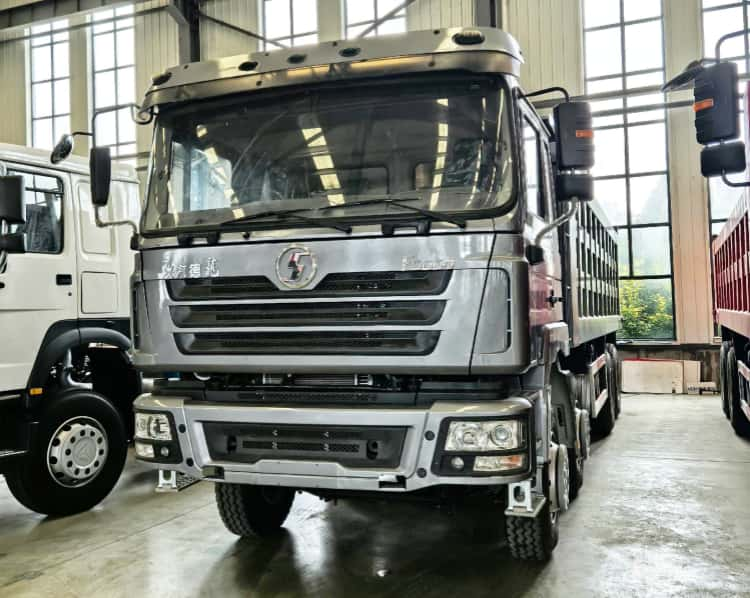
The first state is the raw core. This is the used heavy truck collected from fleets, ready to enter assessment, but with no reman work completed yet. It carries the full history of its field operation: accumulated load cycles, wear, corrosion, prior repairs and unknown hidden fatigue.
At this stage, the core is not reman heavy trucks. It is only a potential reman candidate. The primary goal here is qualification screening. Engineers pull service records, review accident and overload history, run dimensional checks and launch initial NDT surveys to map residual fatigue margins.
This is the first critical gate. If the core fails fatigue thresholds, shows permanent structural deformation, or has undocumented major modifications, it is rejected immediately. It will not proceed to disassembly. Rejected cores are routed for component harvesting or material recycling instead. Only cores that pass the acceptance criteria move onward.
State 2: Disassembled & Sorted Bill of Materials
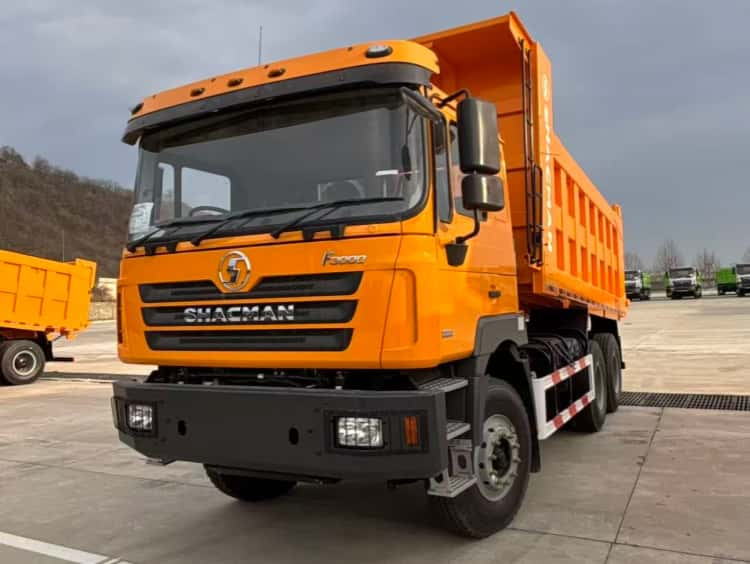
Cores that pass initial screening enter the second state: full disassembly and component sorting. The vehicle is completely broken down to individual parts and subassemblies, far beyond the scope of a standard engine overhaul. Every fastener, bracket, seal, bearing and structural component is separated, cleaned, inspected and tagged against the VIN traceability system.
In this state, components are split into three fixed buckets. Regenerable parts can be machined, heat-treated or surface-restored to return to OEM tolerances. Mandatory renewal parts must be replaced regardless of visual condition, following the REMAN ROAD specification. Condemned parts are marked for scrap or recycling, because fatigue, cracking or deformation cannot be reversed.
This state eliminates the risk of “unknown hidden parts” slipping into reassembly. Partial rebuilds skip this full teardown stage, leaving many ageing components untouched. For certified truck reman work, full disassembly is non-negotiable. No subsystem stays unexamined.
State 3: Reassembled & Calibrated Unit
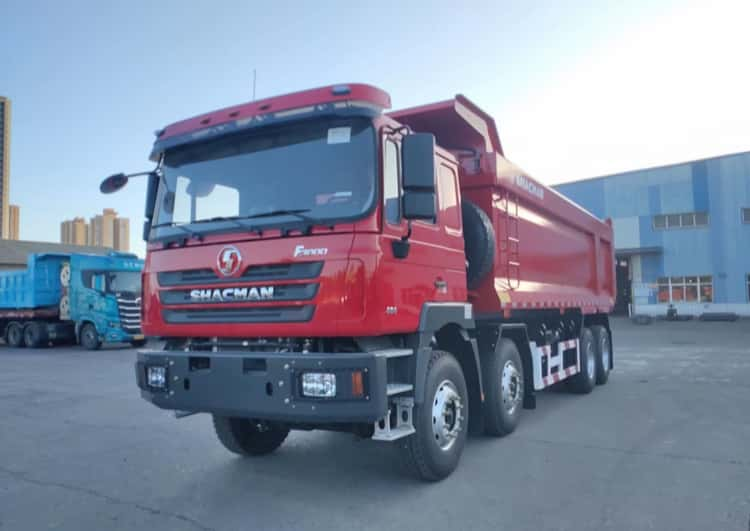
Once all components are approved, regenerated or replaced, the asset moves into reassembly and calibration. Parts are fitted back to the chassis following OEM torque sequences, clearance standards and assembly logic. All subsystems — powertrain, axles, suspension, hydraulics, braking and electronic control packages — are mounted and connected as an integrated system.
This state is where many basic rebuilds stop. The truck starts, idles and can drive on a short test run. But for REMAN ROAD, this is not yet a certified reman heavy trucks. Mechanical assembly is only half of the requirement.
The key work here is system alignment and calibration. ECU parameters are reset, sensor communication is synchronised, fuel and brake systems are tuned, and thermal balance is checked. Individual components may perform well on their own, but mismatched calibration creates system friction, abnormal heat and accelerated wear. The unit is physically built, but still waiting for formal validation.
State 4: Validated, Certified Reman Heavy Trucks
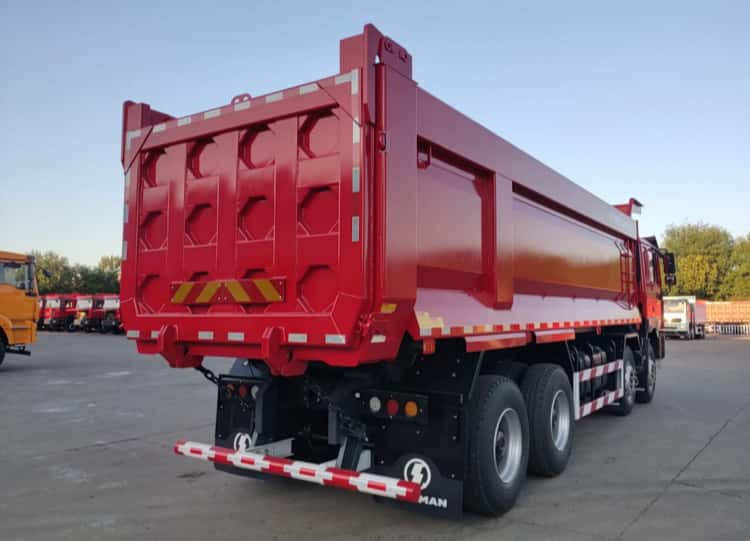
The fourth and final state is the certified reman heavy trucks. It only arrives after passing a full end-of-line validation regime. Loaded cycle testing, leak checks, performance logging, fault-code verification and final NDT spot checks confirm the whole vehicle operates within the original OEM design envelope.
Once validation is complete, the full traceability package is locked to the VIN. It includes inspection logs, test reports, component replacement records, calibration data and audit trails. The unit receives formal REMAN ROAD certification, and its warranty for the second lifecycle becomes active.
At this state, the truck is no longer a patched used vehicle or a reassembled collection of parts. It is an industrial asset with a defined, predictable second lifecycle, known residual fatigue margin and stable TCO profile. When this second lifecycle eventually draws to a close, the same four-state evaluation process can run again, to judge whether it qualifies for another reman cycle.
Why this four-state model matters for fleet procurement?
This gated progression creates clear visibility for buyers. You can ask a supplier which state a unit is in, and whether it has cleared every gate before delivery.
A supplier selling a State 1 core as reman heavy trucks is selling uninspected risk. A State 3 reassembled unit that skips validation is essentially a rebuild without proof of system performance. Only State 4 assets carry the engineering guarantee that defines certified reman heavy trucks.
This framework also helps fleet teams plan asset turnover. They can understand exactly what level of testing and documentation should be expected at each stage, and filter out suppliers that skip inspection gates to cut cost.
Closing thought
The journey from incoming core to certified reman heavy trucks is not a single repair task. It is a staged, gated sequence of engineering decisions. The four states separate raw candidate inventory, disassembled component stock, mechanically assembled units and fully validated certified assets.
Every gate exists to filter out hidden fatigue risk, enforce system-level integrity and preserve the credibility of the lifecycle reset. Without these clear state boundaries, the term “remanufactured” becomes vague, and fleets lose the predictable uptime and stable residual value that certified truck reman work is designed to deliver.