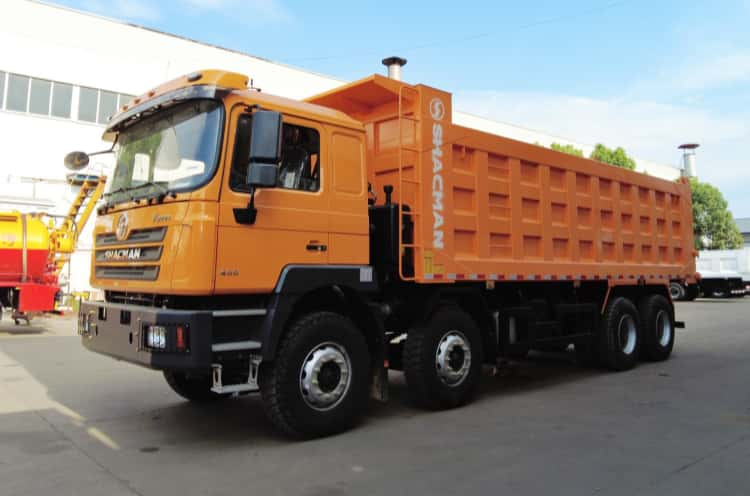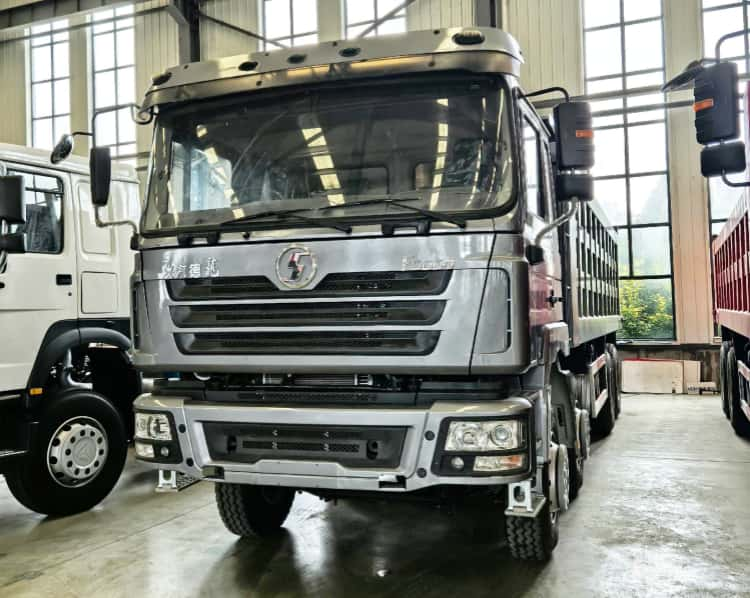
From End-of-Line Inspection to Lifecycle Reset: The Paradigm Shift
Lifecycle Reset Intro
For decades, heavy vehicle quality control followed a linear manufacturing mindset. A new truck rolled off the production line, passed end-of-line inspection, and then entered service. After that point, its condition was tracked only by maintenance logs, mileage and breakdown events. End-of-line inspection is a snapshot: it verifies that the vehicle works on the day it leaves the factory, but it cannot predict how fatigue, overload and corrosion will erode its safety margin years later.
Certified remanufacturing under REMAN ROAD represents a fundamental paradigm shift. Instead of treating inspection as a final gate before delivery, it treats inspection, grading and validation as recurring engineering controls that reset an asset’s usable lifecycle. This changes how fleets think about lifecycle reset asset value, risk and circular utilisation.
The limitation of traditional end-of-line inspection
End-of-line inspection is designed for newly manufactured vehicles, built from fresh raw materials and unused components.
- It validates assembly quality, function and conformance at one fixed moment. It confirms there are no obvious assembly errors, leaks or performance defects before handover.
- It cannot account for the accumulation of cyclic stress that happens thousands of hours later. Once the truck is out in operation, the factory inspection record ages and loses predictive value.
- For used or returned assets, a simple post-repair road test mimics end-of-line inspection but suffers the same flaw: it only proves the truck works today. It does not quantify remaining fatigue capacity, hidden subsurface damage or the consumed life of internal wear components.
Many refurb vendors rely entirely on this outdated logic. They fix obvious faults, clean the truck, run a quick test drive and call it remanufacturing. This is just a repaired asset with a passing snapshot inspection.
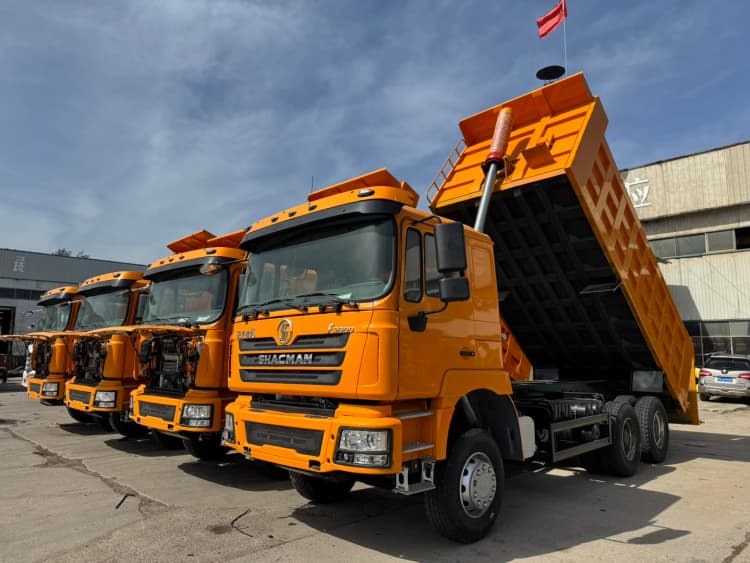
Lifecycle reset starts before assembly, not at the final check
In the lifecycle reset model, validation happens upstream, long before final reassembly and vehicle-level testing.
- The reman process begins with core eligibility screening, full teardown and part isolation. Every critical component is treated as an independent engineering item, not just a piece of a finished truck.
- NDT, dimensional verification, corrosion mapping and fatigue assessment happen at the component level. Defects are caught while parts are clean and accessible, not hidden inside bolted assemblies.
- Component grading decisions — reusable, repairable, scrap — lock in the baseline quality before any reassembly begins.
End-of-line testing becomes the final confirmation of a build that was already controlled at the component gate. It is no longer the main safety filter.
The shift from “pass/fail at delivery” to “known remaining usable life”
Traditional inspection answers one question: Does this vehicle function right now? Lifecycle reset answers a different, far more valuable question: What safe, predictable operating cycle remains in this asset?
- It separates cosmetic condition from structural fatigue margin. A truck can run smoothly on a road test while carrying slow-growing cracks that will cause failure mid-cycle.
- It quantifies risk, rather than just clearing obvious faults. The dossier records which load-bearing parts retain sufficient fatigue reserve, which were restored, and which were discarded.
- This gives fleet planners a reliable starting point for maintenance scheduling, downtime forecasting and TCO modelling. The asset is not just “working”; it has a documented, engineered service horizon.
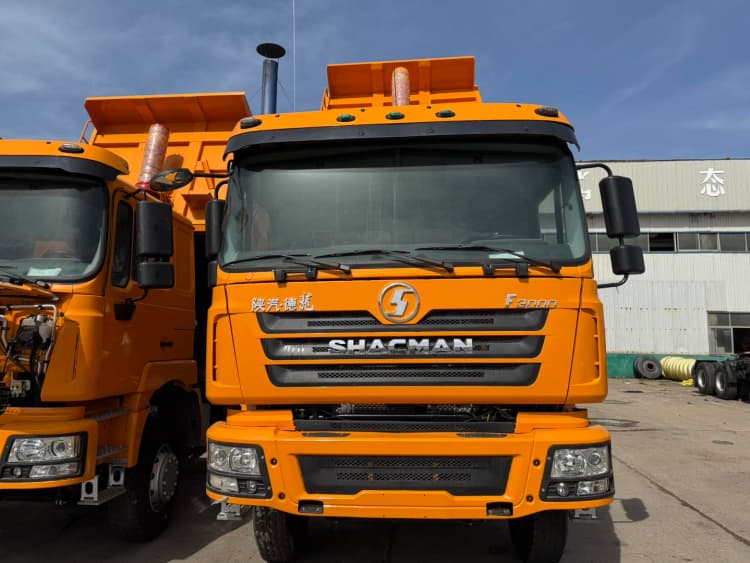
Quality control becomes iterative, not one-and-done
Linear factory logic is one-way: raw materials → build → inspect → ship → operate → retire. Once shipped, the manufacturer’s formal quality gate closes.
The lifecycle reset model is circular and iterative:
- Qualified core intake → teardown → component testing & grading → controlled restoration / part replacement → bench validation → assembly → final acceptance → fleet operation → eventual return for reassessment or retirement.
- Every time the asset cycles back, it undergoes the same rigorous set of engineering gates. A truck can complete multiple controlled reman cycles, but only if each cycle proves it still meets the standard.
- Inspection is no longer a one-time exit ticket. It is the recurring checkpoint that decides whether an asset earns another productive life cycle.
Bench testing replaces road-test-only validation
A core part of this paradigm shift is the move away from relying mainly on road or static vehicle tests.
- End-of-line checks often focus on visible function: brakes engage, engine revs, hydraulics respond. These tests are low-cycle and low-load compared to real haulage duty.
- Lifecycle reset requires component-level bench testing under simulated working loads. Dynamometer cycles, hydraulic hold testing and brake performance profiling stress assemblies closer to their real operating envelope.
- Bench results are recorded per component, tied to VIN, and stored in the audit trail. Even if the whole truck drives well, an underperforming powertrain or degraded hydraulic assembly will be rejected before final build completion.
Documentation changes from delivery certificate to lifecycle passport
A standard end-of-line inspection report is a static certificate for the original build date. It does not update as the truck ages, gets overloaded or sustains undocumented damage.
Under REMAN ROAD, the VIN-linked dossier acts as an asset lifecycle reset passport:
- It captures every reset event, every test result, every component grading decision and every repair action.
- If the truck is sold to another fleet, audited for ESG reporting, or assessed for insurance, the full engineering history travels with it.
- This traceability turns an anonymous used asset into a transparent, auditable circular asset. Without this passport, a lifecycle reset cannot be proven.
What this paradigm shift means for fleet procurement?
For fleet managers, the practical impact is profound:
- Stop judging reman trucks by how they look or how they drive on a short test drive. Judge them by whether they followed component-level validation gates before assembly.
- Reject suppliers whose entire quality proof is a post-build road test report. That is just old end-of-line thinking applied to a used core.
- Budget planning moves from reactive repair provisioning to scheduled, predictable asset rotation, where remanufacturing reset is a formal mid-life intervention rather than emergency repair.
Closing
End-of-line inspection belongs to the linear industrial model: build, verify once, then release into service. Lifecycle reset is the circular industrial model championed by REMAN ROAD: break the asset down, interrogate every critical component, reset its wear profile and fatigue baseline, and validate its new operating envelope before releasing it back to the fleet.
The shift is not simply adding more tests. It redefines what quality means for heavy assets. Quality is no longer “it passes today”; quality is “we know its remaining safe life, and we have engineered its next productive cycle.”