The Hotspot Map: Where Fatigue Cracks Hide on Truck Frames?
Intro
Truck frame rails and crossmembers bear repeated torsion, impact and bending every time a dump truck hits a pothole, climbs a slope or lifts a loaded body. Cracks rarely pop up in uniform, low-stress sections of the frame. They concentrate at predictable geometric discontinuities, mounting interfaces and weld zones. Visual inspection often skips these hidden spots, or only checks the most obvious outer surfaces.
REMAN ROAD’s hotspot map defines these high-risk zones, so inspectors focus non-destructive testing, thickness measurement and corrosion mapping on the right areas before component grading. All hotspot inspection results are logged in the VIN Quality Log and reviewed by third-party auditors.
Core logic behind fatigue hotspots
Fatigue failure starts where stress is amplified. Sharp changes in section thickness, holes, weld toes, bracket attachments and bend points create stress concentrations. Even if the average load stays below the material’s yield limit, repeated cyclic loading will slowly grow microcracks at these spots. Over time, microcracks expand into visible fractures.
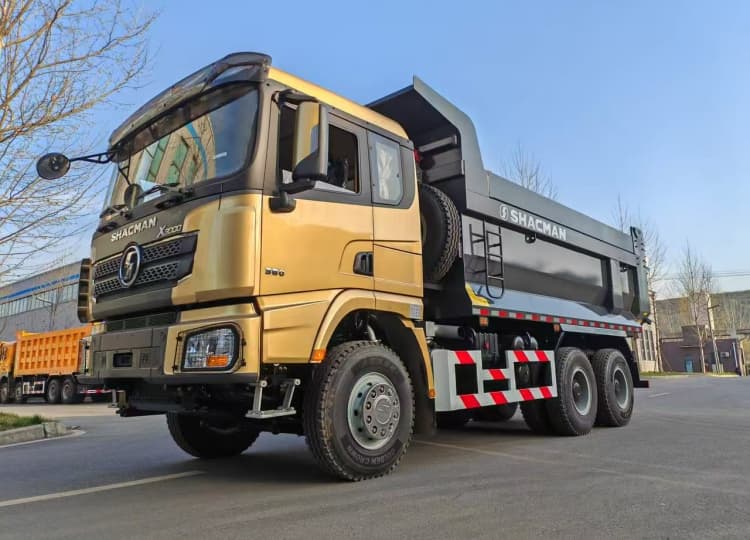
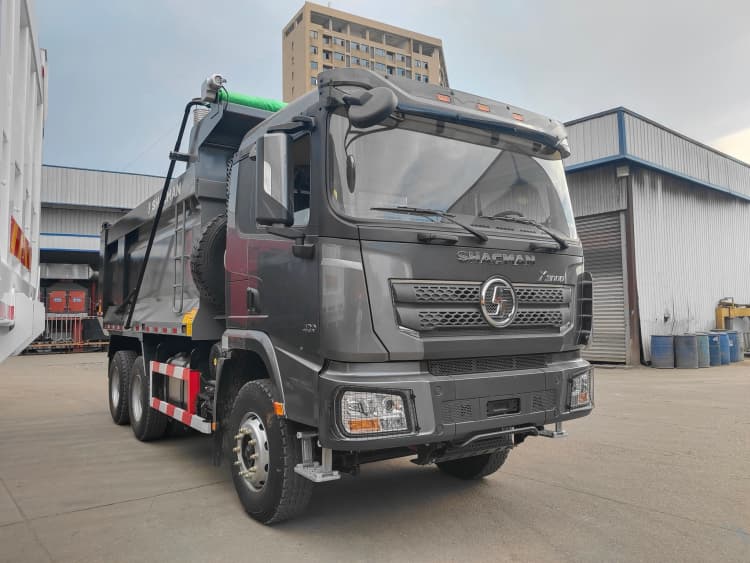
A hotspot map is not a one-time drawing; it is tailored to the chassis model, such as the Shacman F3000 dump truck, reflecting its factory frame design and typical field failure history.
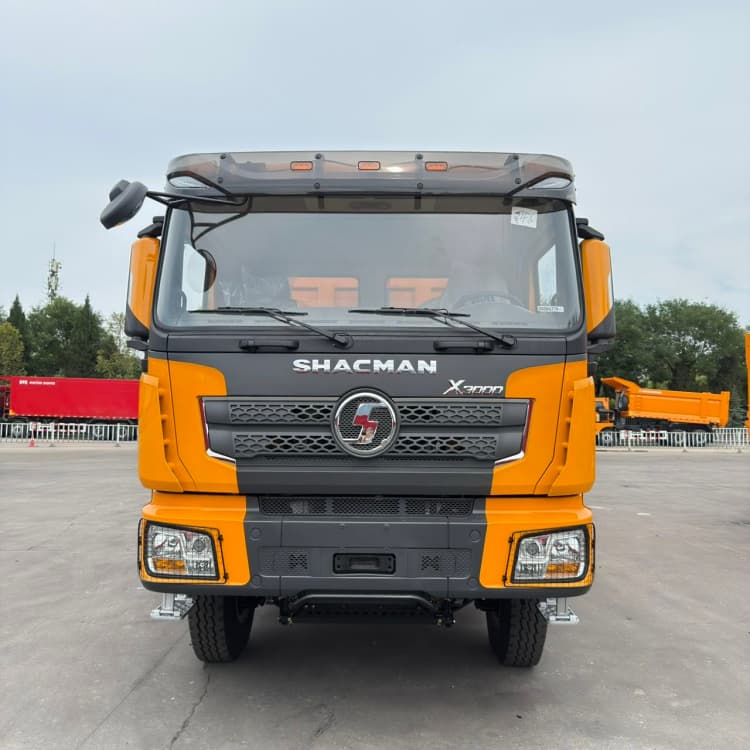
Primary hotspot zones on heavy-duty dump truck frames
Truck frame rail flange transition zones are the highest-risk area. Where the frame changes from straight section to tapered or reinforced section, bending stress spikes under heavy payload. Weld toes on crossmember-to-frame joints are another common source.
Even factory-quality welds can develop fatigue cracks along the weld root when exposed to repeated shock loads. Suspension hanger mounting pads and bolt holes are frequent crack initiation points. Holes break the continuity of the steel, and bolt clamping plus vibration concentrates stress around the hole perimeter.
Dump body hinge brackets, tipping cylinder mounts and rear spring support brackets also rank high on the hotspot list. These points absorb concentrated lifting impact and twisting forces during dumping cycles.
Secondary hotspots often overlooked by basic rebuilds
Many inspectors only check the outer face of frame rails. The inner flange, the back side of crossmembers and the hidden side of bracket welds are frequently missed. Corroded areas near fuel tank brackets, wiring cutouts and previous repair welds also count as secondary hotspots.
Old repair welds are especially risky: the heat-affected zone from past welding creates a new material weakness. If the frame has been straightened before, the zones near hydraulic clamping points are marked as hotspots for extra non-destructive testing coverage.
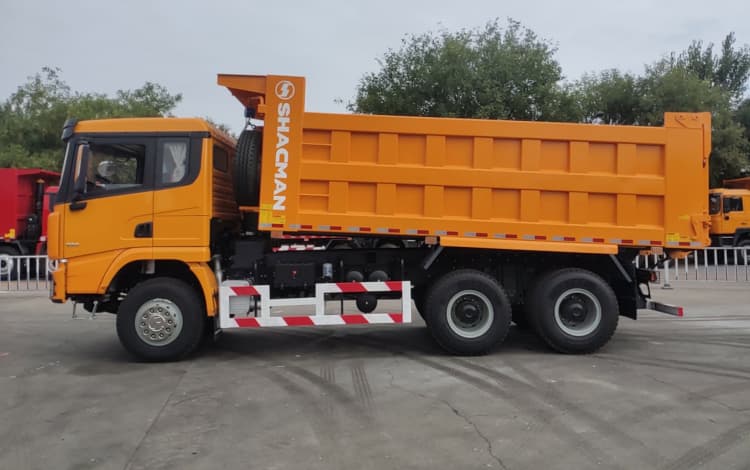
How the hotspot map changes with core grade?
Grade A cores follow the standard hotspot inspection scope. All listed zones are cleaned, measured and scanned by NDT. Grade B cores trigger expanded coverage. Inspectors extend scanning beyond the default map, checking adjacent steel for secondary crack signals. Grade C cores require even broader inspection, with tighter acceptance thresholds at every hotspot.
Any crack found inside a mapped hotspot usually results in scrap, rather than weld repair. Only a narrow set of low-stress hotspots allows qualified repair, under REMAN ROAD weld repair limits.
How the map guides inspection sequence?
The workflow starts with hotspot identification after deep blasting and cleaning. Inspectors mark every mapped zone before general dimensional checks. Corrosion mapping is run first at these points, recording pit depth and steel loss. Then non-destructive testing is applied, prioritising the highest-risk locations.
If a hotspot passes, the inspector moves to general truck frame areas. If a hotspot fails, the component is immediately routed to scrap, and no further unnecessary testing is performed. This targeted method saves testing time while ensuring no critical risk zone is skipped.
Common market mistakes
Most casual rebuilds use random visual checks instead of a fixed hotspot map. They may clean and paint the frame, but skip the inner flanges or weld roots. Some vendors discover a crack at a hotspot, weld it and then mark the job as complete, without extra follow-up NDT on the surrounding area.
This ignores the fact that one hotspot crack often signals accumulated stress across the whole joint. These shortcuts leave the truck with latent structural risk that will surface under off-road cyclic duty.
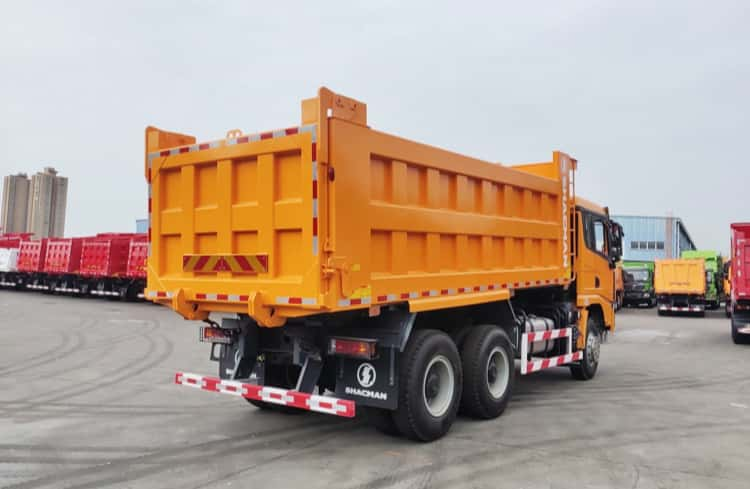
Ongoing hotspot monitoring after reman delivery
The hotspot map is also useful for post-certification fleet maintenance. REMAN ROAD shares the hotspot locations with fleet maintenance teams. During scheduled service, technicians can run targeted spot non-destructive testing at these zones, especially for Grade B and Grade C assets working in quarry or construction service.
Regular monitoring of hotspots lets fleets catch growing cracks before catastrophic failure, and supports the duty envelope warranty terms.
Final Takeaway
Fatigue cracks follow predictable patterns, gathering at frame discontinuities, welds, mounting brackets and section transition points. REMAN ROAD’s hotspot map directs inspection effort to these high-risk locations, making non-destructive testing and corrosion mapping far more effective than random visual checks. Without a defined hotspot framework, inspectors can easily miss subsurface cracks that will fail under cyclic heavy load.
For reman buyers, confirmation that all frame hotspots have been inspected is a key sign that the chassis evaluation follows engineering discipline, rather than superficial refurbishment.