
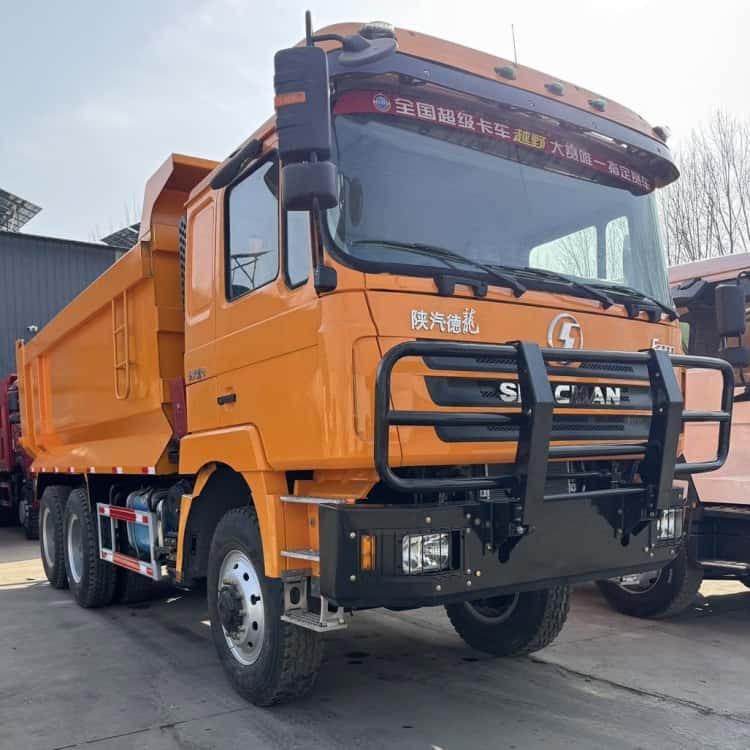
Reman SHACMAN F3000 6×6 Dump Truck
REMAN ROAD Standardized remanufacturing revamps used SHACMAN truck chassis and powertrain thoroughly, eliminating hidden wear risks of traditional refurbished vehicles.
Reman Heavy Tipper Truck Description
- This series of reman SHACMAN F3000 truck abandons simple cleaning and repainting repair modes. We implement full-process industrial reman procedures including part fatigue detection, tolerance measurement, key component replacement and system debugging.
- The overall performance and service life are restored to near-new standards, effectively solving the pain points of unstable performance and frequent failures of second-hand and refurbished trucks in heavy-load operation.
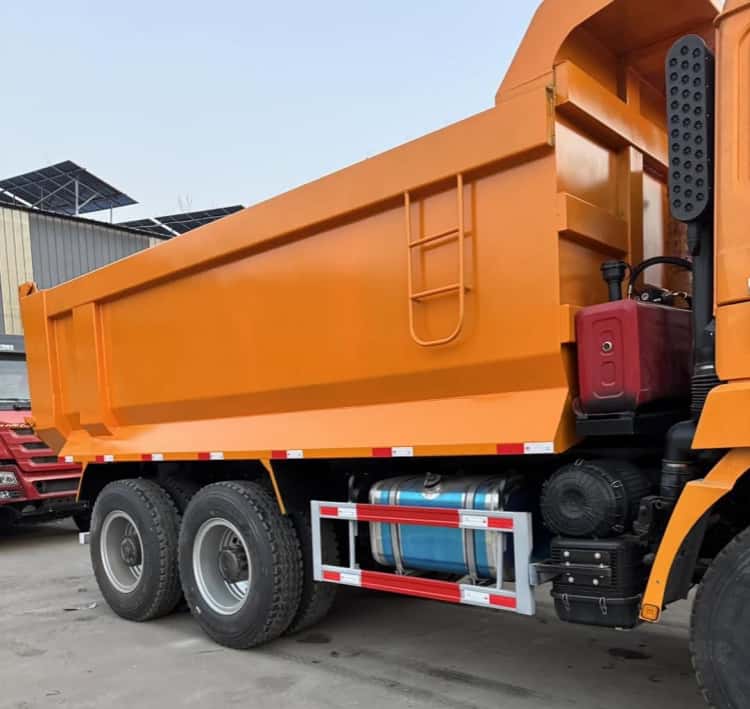
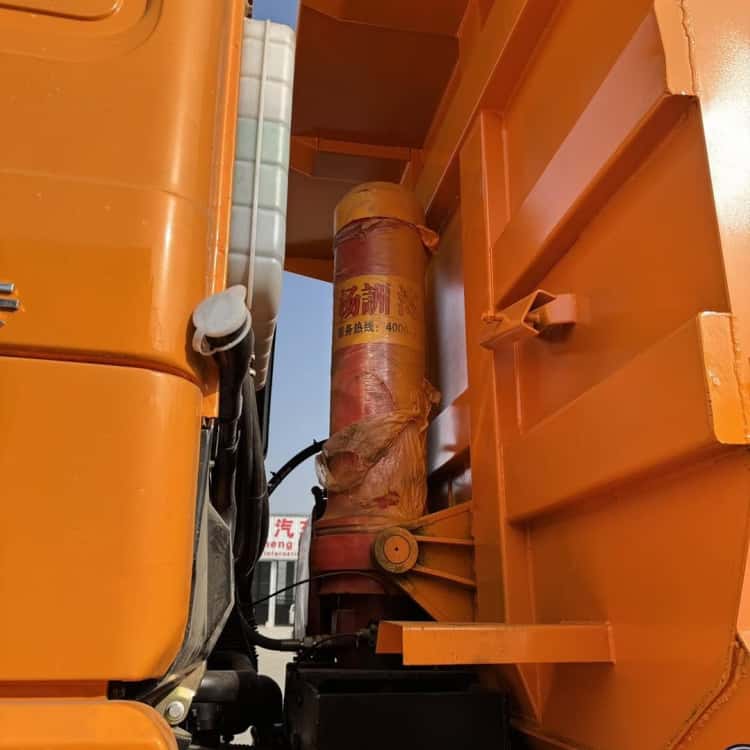
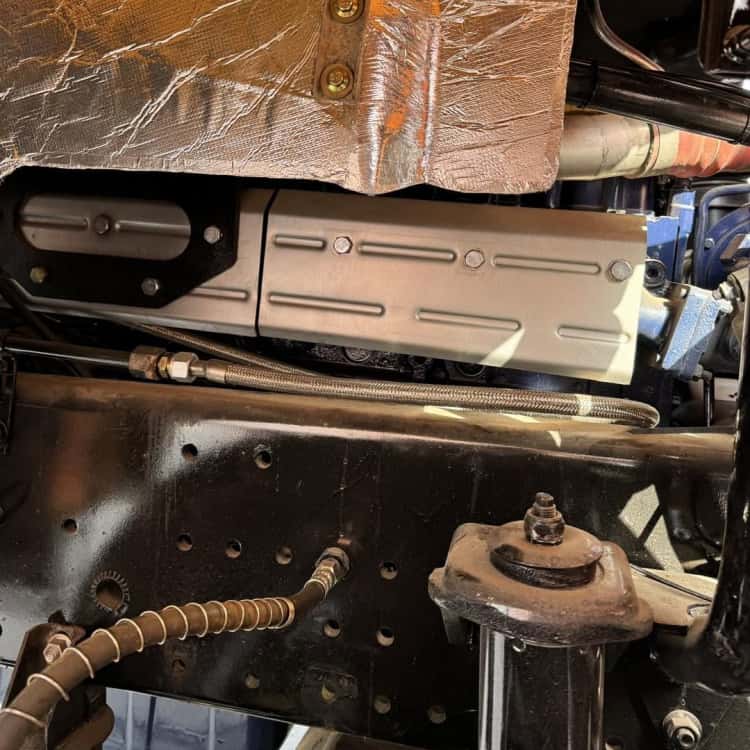
Specification Table
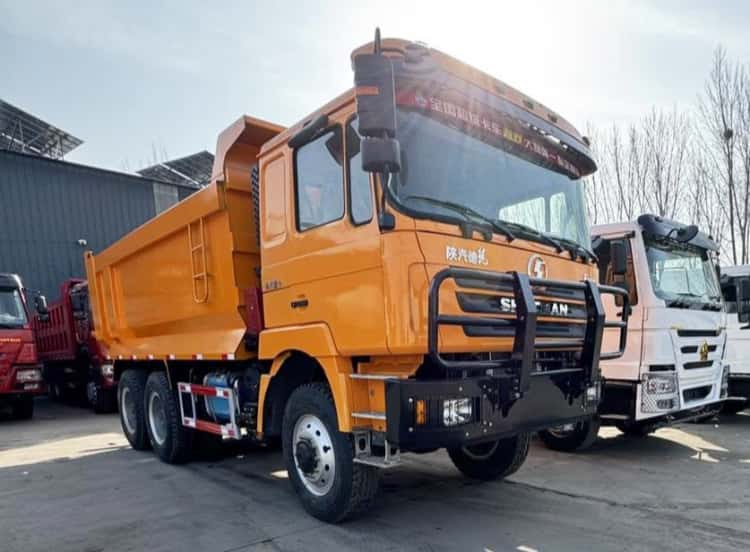
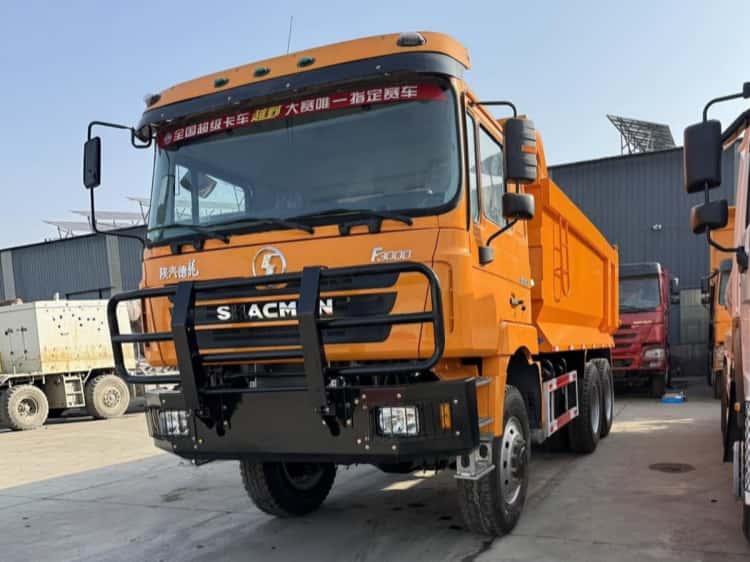
- Model Name: Reman SHACMAN F3000 Truck 6×6
- Drive Form: 6×6, 10‑wheel heavy‑duty chassis
- Cabin: SHACMAN F3000 original cabin, interior renewed, full cleaning & inspection, damaged fittings replaced
- Engine: Remanufactured original diesel engine, fully disassembled, worn internal components replaced, performance recalibrated and load‑tested
- Gearbox: Full disassembly inspection, faulty gear sets and bearings renewed, shift performance calibrated
- Rear Axle: Axles completely torn‑down, gear & bearing screening, fatigue parts replaced, assembly adjusted
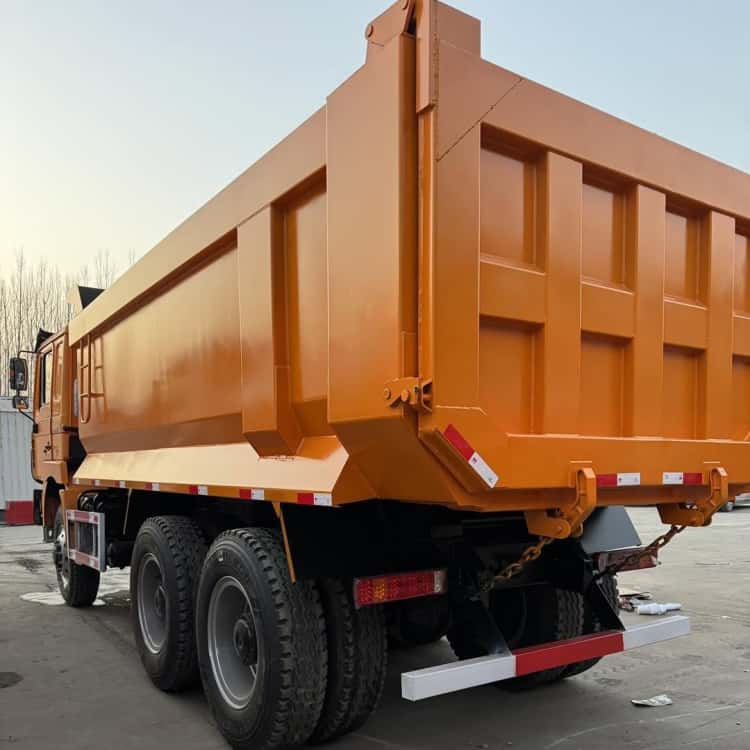
- Dump Body: High‑strength tipper cargo box, corrosion treatment, weld inspection, partial reinforcement for heavy‑load working condition
- Hydraulic System: Hydraulic pump, lifting cylinder and valve group overhauled, all aging seals replaced, lifting function tested repeatedly
- Braking System: WABCO‑based brake system inspected, worn valves, chambers and friction components replaced, whole‑vehicle brake performance debugged
- Chassis Frame: Magnetic particle crack detection, crack repair and reinforcement, rust removal & anti‑corrosion treatment
- Tires & Wheels: 10 units heavy‑duty off‑road tires; wheels inspected for deformation, damaged rims replaced
- Reman Traceability: Complete inspection records, replaced‑parts list and heavy‑load test report provided
Truck Remanufacturing Process
- Step 1: Full incoming evaluation: Complete vehicle comprehensive assessment. Record original wear status, identify fatigue‑risk components and formulate targeted remanufacturing scheme.
- Step 2: Complete disassembly down to component level: Take apart the whole truck, split engine, gearbox, axles, hydraulic assemblies and cabin into single parts, separate reusable, repairable and discard‑mandatory parts.
- Step3: Component cleaning, measurement & screening: All parts go through deep cleaning. Carry out dimension measurement and fatigue detection. Discard parts that exceed wear tolerance and cannot be repaired.
- Step4: Renewal & rebuilding of core assemblies: Replace safety‑critical worn components. Rebuild engine, transmission, drive axles and hydraulic lifting system. Chassis frame conducts crack detection and reinforcement treatment.
- Step5: Re‑assembly and system recalibration: Re‑assemble all assemblies strictly following original factory torque standards. Recalibrate power, braking and hydraulic dumping systems.
- Step6: Multi‑item heavy‑load simulation test: Run road simulation test, full‑load dumping test, braking performance test. Eliminate abnormal noise, leakage and functional defects.
- Step7: Finishing, document sorting & final delivery inspection: Complete painting and cabin restoration. Sort out full reman traceable documents, conduct final overall inspection before shipment.
Why Choose Reman Heavy Tipper Trucks?
- SHACMAN heavy trucks are famous for their durable chassis and strong load-bearing performance in global engineering and logistics fields. Choosing reman heavy tipper truck enables buyers to inherit the ultra-reliable original vehicle platform advantages.
- Through professional industrial remanufacturing, all aging and fatigued components are completely renewed, and the vehicle’s near-new working performance is restored.
- Compared with new trucks, it saves 30%-50% of procurement capital, avoids huge asset depreciation pressure, and solves the problems of unstable quality and hidden faults of ordinary used trucks.
- With standardized reman quality, universal global spare parts supply and traceable asset records, reman heavy tipper truck are the most risk-controlled and cost-optimized fleet solution for global medium and short-term engineering projects and flexible fleet expansion.
Reman Truck Cost Contrast Analysis
- New SHACMAN Truck: Extremely high upfront procurement cost, fast early depreciation, large capital occupation, suitable only for long-term fixed fleet operation, poor cost performance for short-cycle projects.
- Second-hand SHACMAN Truck: Low initial price, but unknown internal wear, no standardized detection, frequent sudden failures in later stage, high emergency maintenance costs and project shutdown losses, uncontrollable comprehensive cost.
- Simply Refurbished SHACMAN Truck: Moderate purchase cost, only surface repair and partial fault fixing, residual internal fatigue risks, easy to cause repeated faults under heavy load, hidden high later operating costs.
- REMAN ROAD Reman Heavy Tipper Truck: Reasonable procurement cost, zero hidden mechanical faults after full component renewal, extremely low failure rate, predictable daily maintenance budget, no invalid depreciation loss.
REMAN ROAD reman heavy tipper trucks has the lowest total cost of ownership in the 3-5 year project cycle, achieving the best balance of initial investment and long-term operating cost.
RFQ
- Q: What core industrial standards govern your reman heavy tipper trucks remanufacturing process?
A: All REMAN ROAD reman heavy tipper trucks strictly follow industrial full-disassembly reman standards. We implement component fatigue screening, tolerance detection, mandatory replacement of worn safety parts, and OEM-standard reassembly calibration, which is completely different from casual partial refurbishment and simple maintenance. - Q: How do you ensure the reman-restored performance matches the original SHACMAN factory standard?
A: We adopt original factory parameter calibration standards for all reman assemblies. After component renewal and reassembly, each reman heavy tipper truck undergoes engine dynamometer testing, full-load road simulation and system linkage debugging to ensure power, bearing, braking and hydraulic performance fully meet the original vehicle design standards. - Q: What is the essential difference between your industrial reman and market common truck refurbishment?
A: Refurbishment only fixes visible faults and carries out surface beautification, retaining a large number of internally fatigued parts. Our industrial reman is based on full vehicle disassembly, all key parts are inspected one by one, unqualified parts are completely eliminated and replaced, and hidden deep mechanical risks are fundamentally removed. - Q: Can you provide exclusive reman process files to distinguish reman heavy tipper trucks from refurbished ones?
A: Yes. Each reman heavy tipper trucks is equipped with exclusive reman archives, including component replacement list, fatigue detection report, assembly calibration data and full-load test records, which are the unique certification of genuine industrial reman products. - Q: Will the remanufactured parts affect the later maintenance and spare parts compatibility of SHACMAN trucks?
A: All renewed parts adopt SHACMAN OEM-matched accessories, and the overall vehicle structure remains consistent with the original factory. The reman process does not change any original assembly parameters, so the global general spare parts compatibility is completely unaffected, and daily maintenance is as convenient as original new trucks.