
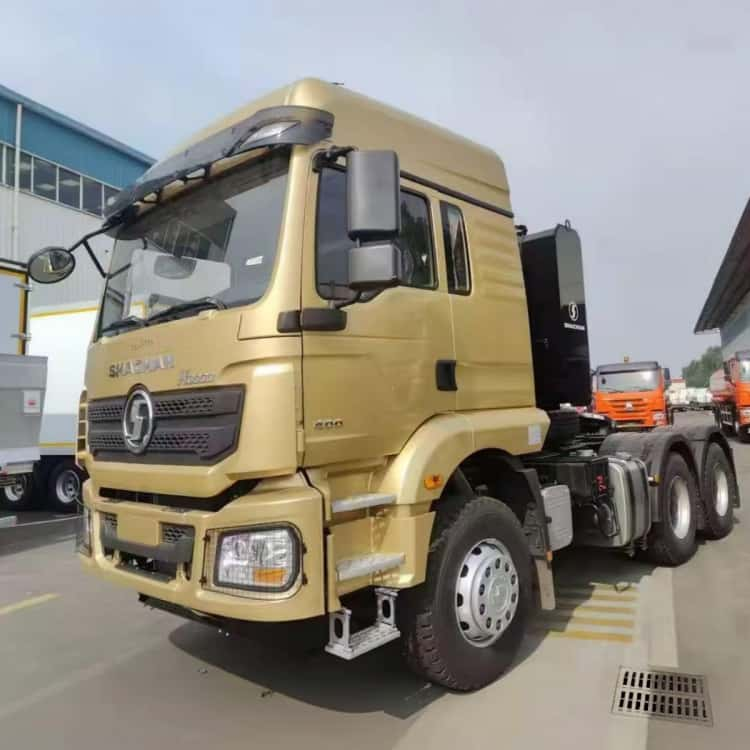
Reman SHACMAN H3000 400 Tractor Truck 6×4
REMAN ROAD reman SHACMAN H3000 truck offers a gentler depreciation curve than brand-new heavy tractors. It works well as supplementary capacity for mixed fleets running container and bulk trailer routes.
Reman H3000 SHACMAN Description
- Brand-new tractor units suffer steep depreciation within the first two operating years, creating heavy asset value loss for fleets.
- REMAN ROAD reman SHACMAN H3000 truck avoids this sharp value drop, with its depreciation trend much more stable throughout ownership.
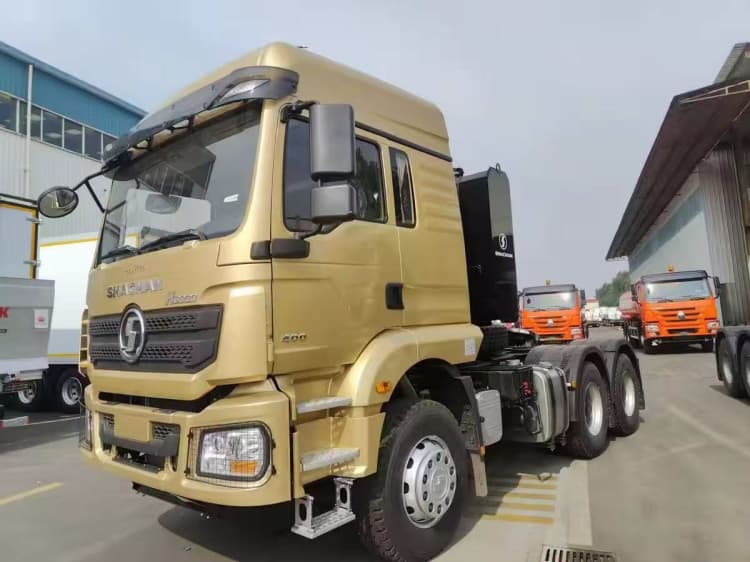
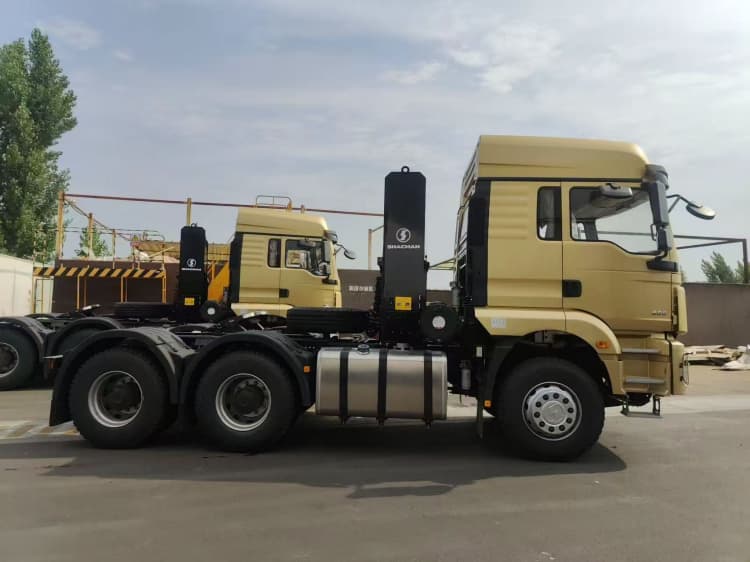
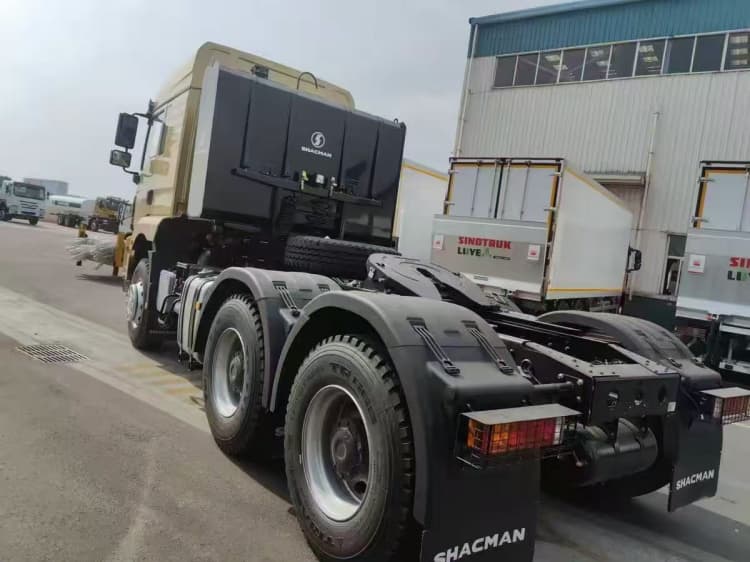
- Core assemblies are rebuilt and validated, so fleet managers can allocate these reman tractors to medium-distance and secondary haul routes, reserving brand-new units for high-priority core lines.
- This mixed fleet strategy balances performance needs and overall asset financial risk.
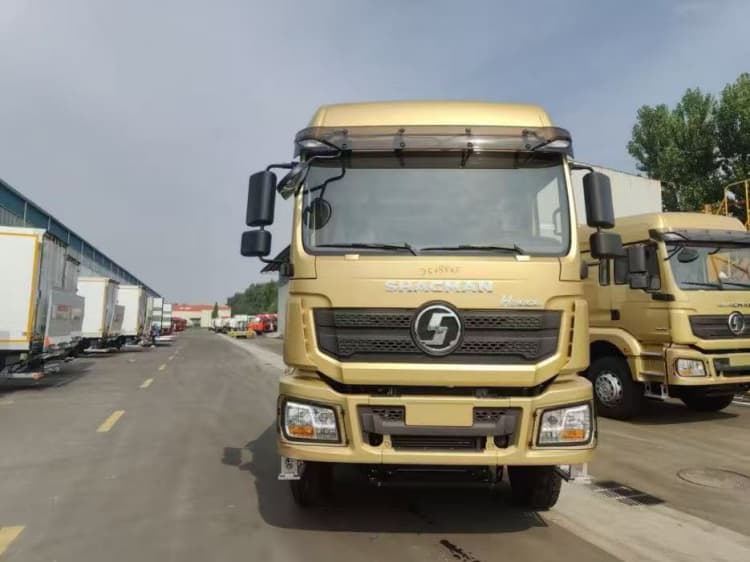
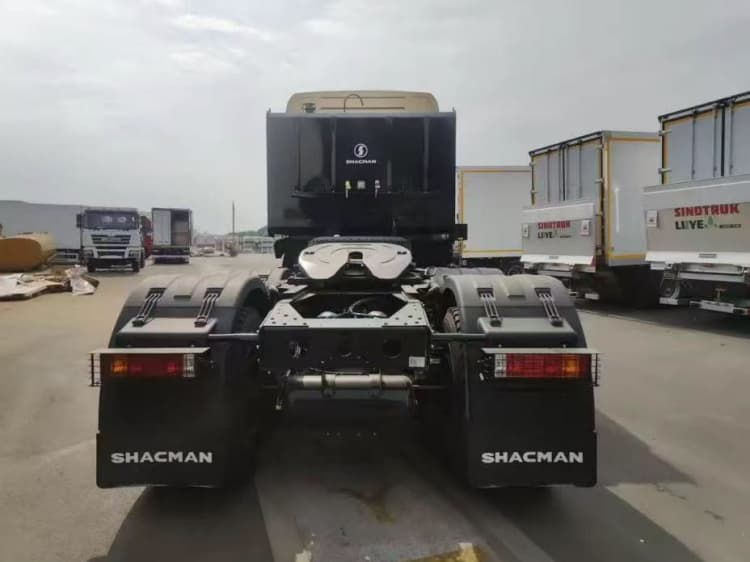
Parameter Table
- Model: Standardized Reman SHACMAN H3000 Truck Tractor Head 400 6×4
- Drive Form: 6×4; axles fully inspected, oil seals and bearings replaced, gear backlash recalibrated
- Cab: SHACMAN H3000 cabin, corrosion inspection, full wiring harness renewal, interior refurbishment, seal replacement and full electrical function testing
- Engine: Reman SHACMAN diesel engine, fully disassembled, worn moving components replaced, bench load tested and fuel consumption calibrated
- Transmission: Reman transmission assembly, gear and bearing inspection, seal renewal, validated by load bench test
- Axles: Reman heavy-duty drive axles, gear set inspection, bearing replacement and backlash calibration for sustained heavy trailer pulling
- Chassis Frame: Magnetic particle non-destructive crack detection, reinforcement on high-stress zones, derusting and multi-layer anti-corrosion coating
- Fuel Tank: Deep interior cleaning and pressure leakage test, damaged brackets repaired, brand-new sealing gaskets installed
- Brake System: Full air brake remanufacturing; brake valves, air chambers and friction linings renewed, full system pressure and load braking test
- Fifth Wheel: Disassembly, wear measurement, surface rework or part replacement, locking function and load simulation test
- Suspension: Leaf springs, shock absorbers and bushings fully inspected; fatigued suspension components replaced for stable heavy-load operation
- Fuel Tank: Cleaned and inspected original fuel tank, leak testing completed, damaged fittings renewed
- Wheels & Tires: Rims inspected; new or qualified reman tyres, visual inspection and load verification
Risk Control Differences Between Reman and Refurbished Tractors
- Simple cosmetic refurbishment only repaints exterior bodywork and fixes obvious faults, leaving hidden frame, axle and powertrain wear undetected.
- Standardized reman tractor uses non-destructive testing and component-level disassembly to identify internal structural risks before rebuild.
- Refurbished tractors often suffer sudden driveline or brake failure under heavy trailer pulling loads, leading to transport delays and accident risks.
- Every REMAN ROAD standardized reman tractor truck completes loaded traction and braking validation, confirming reliability under real haulage load before delivery.
Asset Portfolio Strategy: Mix Reman Trucks With New Trucks
- Fleet operators can build a mixed asset portfolio: deploy brand-new tractors on high-value, time-sensitive core routes, and use reman H3000 SHACMAN tractors for secondary bulk or container haul routes.
- This strategy balances reliability requirements and capital spending, optimizing overall fleet ROI.
- Standardized reman tractor truck offer flexible entry and exit options; they can be sold or rotated out of service once project contracts finish, without heavy capital loss.
- Certified reman documentation simplifies internal asset auditing and financing evaluation for mixed fleets.
RFQ
- Q1: What differentiates remanufacturing of tractor truck powertrain from standard used truck repair?
A: We fully disassemble the engine and gearbox, measure every internal component dimension. Any part outside tolerance will be replaced. After rebuild, the powertrain runs multi-hour bench load testing to verify pulling power and fuel economy. - Q2: How do you overhaul the cabin and electrical system for reman SHACMAN tractor unit?
A: We inspect cabin structural integrity and hidden corrosion, renew the full wiring harness, repair or replace faulty instruments, restore door seals and validate all lighting and control electronic functions. - Q3: How does remanufacturing impact the residual value of the H3000 tractor after years of fleet operation?
A: Complete reman audit logs help preserve asset value. Standardized reman tractor truck retain higher resale value than ordinary second-hand tractors when you liquidate fleet assets later. - Q4: Can third-party inspectors attend your workshop and test the reman SHACMAN H3000 truck before shipment?
A: Yes, independent technical inspection is welcome. Inspectors can examine rebuilt assemblies and witness traction and braking performance tests on-site. - Q5: What hydraulic and air system upgrades are available during reman?
A: We can renew all air valves, air tanks and seals; we can also upgrade trailer brake control modules according to your local road transport regulatory standards. - Q6: Are there operational restrictions for this reman H3000 SHACMAN?
A: Sustained overload beyond factory rated traction capacity is not recommended, as excess load accelerates wear of rebuilt driveline assemblies and shortens service life. - Q7: What spare parts support can you offer after delivery of the reman SHACMAN H3000 truck?
A: We provide a list of recommended consumable spare parts matched to rebuilt assemblies, and support bulk parts procurement for fleet preventive maintenance.