
Truck Remanufacturing Standard
Overview
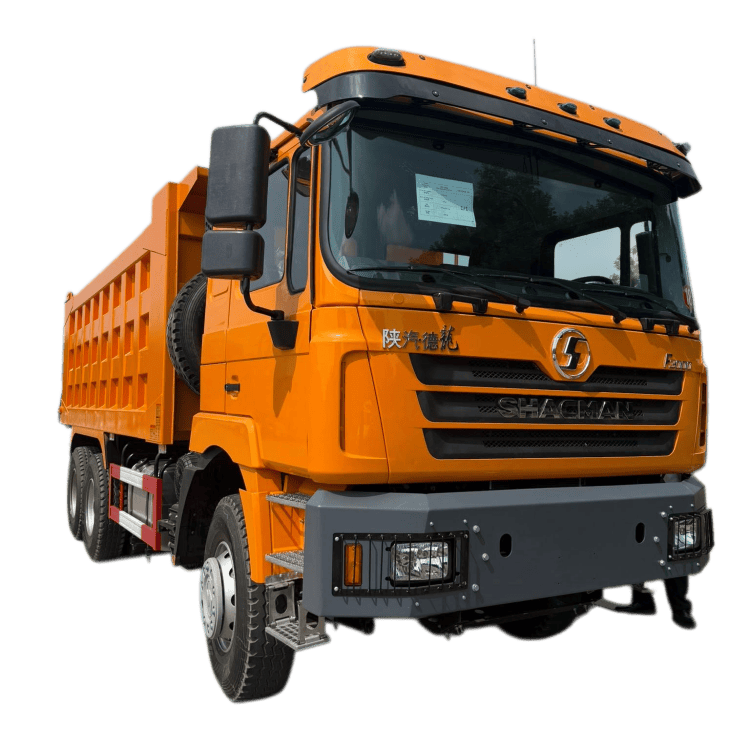
Genuine standard truck remanufacturing relies on a complete set of unified industrial standards, rather than informal on‑site repair or cosmetic repainting. These standards define every link from raw base‑unit screening, disassembly, component processing, reassembly to factory acceptance testing. Without standardized constraints, so‑called “reman trucks” are merely superficial refurbishment, which carries hidden structural risks for fleet operation. REMAN ROAD strictly follows full‑set industrial standard truck remanufacturing to implement asset regeneration for heavy‑duty equipment.
Table of Contents
- Base‑Unit Screening Standard
- Full Disassembly & Cleaning Standard
- Defect Detection & Component Renewal Standard
- Standardized Re‑assembly Standard
- Multi‑Stage Factory Testing Standard
- Quality Traceability Standard
- Difference Between Standard Truck Reman and Simple Refurbishment
- REMAN ROAD: Brand Positioning, Core Standards & Development Vision
Base‑Unit Screening Standard
Only qualified original base units can enter formal remanufacturing procedures. The standard requires comprehensive assessment of frame condition, major component residual life, accident history and metal fatigue degree. Units with irreversible frame fracture, severe collision damage or burnt core assemblies shall be eliminated directly and cannot be used for remanufacturing regeneration.
Full Disassembly & Cleaning Standard
Complete teardown of the whole vehicle down to individual component level is mandatory. It is not allowed to retain worn‑out assemblies for simple external touch‑up. All parts go through high‑efficiency deep cleaning to remove oil sludge, rust and surface attachments, laying foundation for subsequent defect detection and restoration.
Defect Detection & Component Renewal Standard
Non‑destructive testing must be applied on key load‑bearing structures to identify micro‑cracks and metal fatigue. Worn‑out parts that exceed tolerance scope shall be replaced with qualified components; reusable parts shall be repaired strictly according to OEM dimension and tolerance requirements. Random patch‑repair cannot count as standard reman output.
Standardized Re‑assembly Standard
Re‑assembly shall follow original factory torque values, assembly sequences and fit‑gap requirements. Every installation step needs to comply with technical documents, avoiding empirical manual operation. Wrong assembly will cause early‑stage failure of heavy‑duty equipment under heavy‑load working conditions.
Multi‑Stage Factory Testing Standard
After reassembly, vehicles need to pass static inspection, system calibration and simulated heavy‑load running test. Cover chassis, powertrain, braking and hydraulic systems. The remanufactured trucks can leave workshop only when all performance indexes meet factory‑referenced parameters.
Quality Traceability Standard
Each remanufactured trucks shall build a complete process archive bound to original identification information, recording base‑unit evaluation record, replacement parts list, testing data and factory inspection result. Traceable documents support later‑stage asset management, maintenance reference and secondary valuation.
Difference Between Standard Truck Reman and Simple Refurbishment
Many market participants confuse industrial‑grade standard truck remanufacturing with simple refurbishment. Although both types of output can deliver a visually improved exterior, they are fundamentally different in core philosophy, technical boundary, process flow, safety guarantee and long‑term asset value.
Core Restoration Philosophy
- Standard truck remanufacturing centers on performance recovery and structural safety. It treats the base unit as an industrial asset for systematic regeneration, targeting to restore key indicators close to original‑factory design level.
- Simple refurbishment is oriented toward superficial appearance improvement and temporary fault elimination. Its goal is to make the vehicle look acceptable for short‑term sale, without addressing hidden internal damage accumulated during heavy‑load operation.
Process Scope & Technical Depth
- Standard truck remanufacturing requires full‑vehicle complete disassembly down to individual component level. It enforces non‑destructive testing for frame and load‑bearing parts, metal‑fatigue elimination, tolerance inspection for all core assemblies, renewal of over‑tolerance components, torque‑controlled reassembly and multi‑dimension simulated heavy‑load testing.
- Simple refurbishment only conduct partial component repair, surface rust removal, body putty filling and repainting. Critical load‑bearing structures, powertrain internal wear and invisible metal micro‑cracks remain undetected and untreated.
Quality Control & Acceptance Criteria
- Standard reman trucks output must pass quantifiable factory acceptance tests. Frame integrity, powertrain output, braking performance, hydraulic system pressure and sealing performance all need to meet measurable OEM‑referenced parameters. Complete test records are generated for each reman trucks.
- Refurbished vehicles have no unified measurable acceptance standards. Inspection mostly relies on visual check and basic road test. Hidden defects cannot be exposed, so quality heavily depends on individual worker experience rather than objective data.
Traceability & Document Support
- Every remanufactured trucks builds a full‑process traceability archive linked to its unique identifier, including base‑unit evaluation report, defect‑detection log, parts‑replacement list and final test data. These documents support fleet maintenance scheduling, asset valuation and secondary transfer.
- Simple refurbished products rarely generate formal technical files. Buyers can hardly obtain objective evidence about what parts have been repaired or replaced. All restoration information mainly comes from oral description of suppliers.
Safety Risk & Full‑Lifecycle Outcome
- Standard truck reman eliminates structural hazards from the source. Restored vehicles can sustain continuous heavy‑duty operation, with predictable failure rate and controllable maintenance cost over service life. Reman trucks creates stable circular asset value for enterprises.
- Superficially refurbished vehicles conceal latent structural risk. Micro‑cracks and fatigued metal may fail abruptly under heavy‑load working scenarios, triggering frame fracture, braking failure or powertrain breakdown. It brings unplanned downtime, high repair expense and potential safety threats to fleet business.
Commercial Position in Market
- Standard reman trucks between brand‑new equipment and used assets, delivering balanced value among safety, performance and total‑cost‑of‑ownership.
- Simple refurbishment belongs to low‑cost cosmetic renovation, often used to repurpose high‑risk worn‑out vehicles for quick resale.
- Practical purchasing tip: Bright new‑looking appearance does not represent genuine truck remanufacturing. Always verify full‑process technical records instead of judging quality only from surface paint and body condition.
REMAN ROAD: Brand Positioning, Core Standards & Development Vision
REMAN ROAD take remanufacturing technology, standardized process system and quality control as the core, and heavy-duty equipment regeneration as the landing carrier, committed to solving the long-standing quality chaos and cost risks in the global engineering equipment renewal market.
Accurate Brand Positioning
- REMAN ROAD is a standard‑focused industrial remanufacturing enterprise, rather than a regular vehicle dealer or simple refurbishment workshop.
- Our core strength lies in defining and promoting measurable OEM‑aligned reman benchmarks, quality standards and full‑lifecycle asset management specifications.
- We build unified evaluation standards for the disordered global heavy‑equipment reman sector, moving the industry past superficial cosmetic refurbishment.
- With transparent, replicable reman standards, we help global fleets identify qualified regenerated assets and deliver tangible fleet‑asset value from circular‑economy concepts.
Core Brand Principles
- Standardization First, Reject Fake Reman: Adopt OEM industrial technical standards as our sole baseline. We reject empirical repair and surface‑only refurbishment to guarantee near‑new vehicle performance.
- Technology‑Driven Regeneration: We rely on professional disassembly, cleaning, fatigue elimination, precision repair and calibration to achieve genuine performance regeneration, instead of simple part swapping.
- Full Transparent Quality Traceability: Full‑process file archiving for every reman project makes restoration records visible and verifiable, solving information asymmetry in global used heavy‑equipment trade.
- Customer Value‑Centric: Our core goals are lowering fleet full‑lifecycle cost, removing operational safety risks and lifting asset return rates, to deliver stable, cost‑effective reman asset solutions.
Brand Vision & Mission
- Brand Mission: Standardize global industrial equipment remanufacturing, deliver low‑cost, low‑risk, high‑value circular‑asset solutions for worldwide buyers.
- Brand Vision: Become a global benchmark for standardized industrial remanufacturing. Drive the heavy‑equipment reman industry shift from rough renovation to technical regeneration, and lead healthy growth of the global green circular equipment economy.
- Core Competitive Advantage: Our standardized industrial reman system forms a closed‑loop quality chain covering core‑vehicle screening, production, performance testing and after‑sales guarantee. It enables customers to obtain near‑new‑grade equipment at reasonable cost, realizing cost reduction, risk reduction and efficiency improvement.